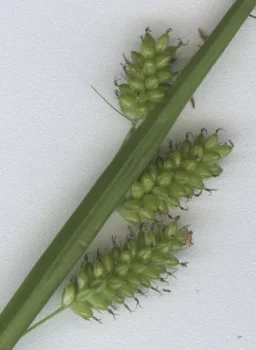
Pale Sedge: A Quietly Beautiful Native for Shady Spots
If you’re looking for a understated native plant that thrives in the shadows, pale sedge (Carex pallescens) might just be your new garden companion. This humble little sedge won’t win any flashiness contests, but what it lacks in drama, it makes up for in reliability and ecological value.
What is Pale Sedge?
Pale sedge is a perennial graminoid – that’s botanist-speak for a grass-like plant. Don’t let the simple description fool you though; this little sedge has quite the resume. It’s native across a impressive range including Canada, the lower 48 states, and even St. Pierre and Miquelon. You’ll find it growing naturally from British Columbia to Newfoundland, and south through states like Connecticut, Illinois, Pennsylvania, and many others.
- Species observed
- No observations
However, there’s an important conservation note: in New Jersey, pale sedge has a rarity status of S2 (Highlands Listed), meaning it’s quite uncommon in that region. If you’re gardening in areas where it’s rare, make sure to source your plants responsibly from reputable native plant nurseries.
Why Grow Pale Sedge?
Here’s where pale sedge really shines – it’s the ultimate low-maintenance ground cover for tricky spots. This sedge forms neat little clumps with narrow green leaves and produces small, brownish flower spikes that are more about function than flash. While it won’t stop traffic with bold blooms, its quiet beauty and texture make it perfect for:
- Woodland gardens where you want something natural-looking
- Shady areas where grass struggles
- Naturalized landscapes
- Areas where you want native ground cover
The Wetland Connection
One of pale sedge’s most interesting features is its flexibility with moisture. Depending on where you live, it has different wetland preferences:
- In eastern regions, it usually prefers wetland conditions but can handle drier spots
- In western and northcentral areas, it’s happy in both wet and dry conditions
This adaptability makes it a great choice for those in-between spots in your garden – not swampy, not desert-dry, but somewhere comfortably in the middle.
Growing Pale Sedge Successfully
The good news? Pale sedge is pretty easygoing once you understand its preferences. Here’s what it needs to thrive:
Growing Conditions
- Light: Partial shade to full shade
- Soil: Moist, well-drained soils
- Climate: Cool climates (USDA zones 3-7)
- Moisture: Consistently moist but not waterlogged
Planting and Care Tips
This is where pale sedge really wins points – it’s refreshingly low-maintenance:
- Plant in spring or fall when temperatures are cool
- Space clumps about 12-18 inches apart for ground cover effect
- Water regularly the first year to establish roots
- Once established, it’s quite drought-tolerant
- Divide clumps every 3-4 years to keep them vigorous
- No fertilizing needed – it prefers lean soils
Wildlife and Ecological Benefits
While pale sedge is wind-pollinated (so it won’t attract bees and butterflies like showier flowers), it still provides ecological value. Native sedges like this one offer habitat and food sources for various wildlife, and help create the kind of diverse plant communities that support healthy ecosystems.
Is Pale Sedge Right for Your Garden?
Pale sedge is perfect for gardeners who:
- Want reliable native plants
- Have shady, moist areas to fill
- Appreciate subtle, natural beauty
- Prefer low-maintenance plants
- Are creating woodland or naturalized gardens
It might not be the best choice if you’re looking for bold colors, dramatic height, or plants for sunny, dry locations.
Remember, if you’re in an area where pale sedge is rare, always source plants responsibly and consider it a chance to help conserve this quiet beauty for future generations. Sometimes the most valuable plants are the ones that whisper rather than shout.