Palegreen Orchid: A Delicate Native Treasure for Woodland Gardens
If you’re drawn to the subtle elegance of native wildflowers, the palegreen orchid (Platanthera flava var. flava) might just capture your heart. This understated beauty brings a touch of wild sophistication to naturalized gardens, though it’s definitely not your typical garden center find.
What Makes the Palegreen Orchid Special?
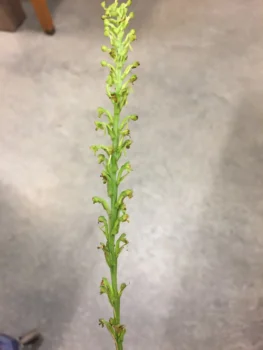
The palegreen orchid is a perennial forb – basically a non-woody flowering plant that comes back year after year. Don’t expect flashy, showy blooms like you’d see with tropical orchids. Instead, this native charmer produces delicate spikes of small, pale green flowers that have an almost ethereal quality. It’s the kind of plant that rewards the observant gardener who appreciates nature’s more subtle artistry.
Where Does It Call Home?
This native orchid has quite an impressive range across eastern North America. You’ll find it naturally growing from Canada down through the southeastern United States, including Alabama, Arkansas, Florida, Georgia, Illinois, Indiana, Kentucky, Louisiana, Mississippi, Missouri, New Jersey, North Carolina, Oklahoma, South Carolina, Tennessee, Texas, and Virginia, plus Nova Scotia and Ontario.
- Species observed
- No observations
A Word of Caution: Rarity Matters
Here’s something important to know: the palegreen orchid is listed as endangered in New Jersey, with a rarity status of S1 (critically imperiled). If you’re interested in growing this beauty, please make sure you source it responsibly from reputable native plant nurseries that propagate their own stock. Never dig plants from the wild – it’s harmful to wild populations and often illegal.
Is This Orchid Right for Your Garden?
The palegreen orchid thrives in USDA hardiness zones 4-9, making it suitable for a wide range of climates. However, it’s definitely not a plant for beginners or those wanting instant gratification. This orchid has specific needs and can be challenging to establish.
Consider adding it to your garden if you:
- Love native wildflowers and specialty plants
- Have experience with woodland gardening
- Can provide consistent moisture and organic-rich soil
- Appreciate subtle, naturalistic beauty over bold displays
- Want to support native pollinators like small moths and flies
Growing Conditions and Care
The palegreen orchid prefers life on the wilder side. In nature, you’ll often find it in moist, acidic soils along woodland edges and wetland margins. To succeed with this plant, try to mimic these conditions:
- Light: Partial shade to filtered sunlight
- Soil: Consistently moist, well-draining, organic-rich, and acidic
- Moisture: Regular water – this isn’t a drought-tolerant plant
- Placement: Woodland gardens, native plant areas, or naturalized landscapes
Planting and Care Tips
Fair warning: palegreen orchids can be tricky to establish and aren’t widely available. If you do find a responsibly sourced plant, treat it with extra care. Plant in spring when soil temperatures are warming, and be patient – orchids often take time to settle in and may not bloom for several years.
Maintain consistent soil moisture throughout the growing season, and consider mulching with organic materials like leaf mold to help retain moisture and provide nutrients as it decomposes.
Supporting Wildlife
While small and subtle, the palegreen orchid plays its part in supporting native ecosystems. Its flowers attract specialized pollinators, particularly small moths and flies, contributing to the complex web of relationships that keep native habitats healthy.
The Bottom Line
The palegreen orchid isn’t for every gardener or every garden, but for those who appreciate rare native plants and have the right conditions, it can be a truly special addition. Just remember to source it responsibly and be prepared for a gardening challenge that’s as rewarding as it is demanding. Sometimes the most beautiful things in nature are also the most delicate – and that’s exactly what makes them so precious.