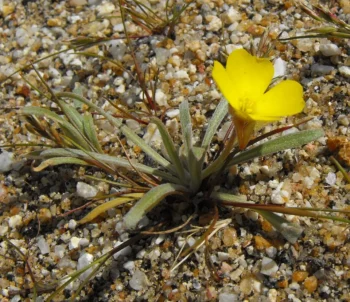
Paleyellow Suncup: A Delicate Desert Native Worth Getting to Know
Meet the paleyellow suncup (Camissonia pallida), a charming little annual that’s perfectly at home in the hot, dry landscapes of the American Southwest. This unassuming native wildflower might not win any height contests, but what it lacks in stature, it makes up for in adaptability and quiet beauty.
What Makes Paleyellow Suncup Special?
The paleyellow suncup is a true desert dweller, native to Arizona, California, and Nevada. As an annual forb, it completes its entire life cycle in one growing season, making the most of brief periods of favorable conditions in harsh desert environments. Don’t let its delicate appearance fool you – this little plant is tougher than it looks.
True to its name, paleyellow suncup produces small, pale yellow flowers that have an interesting twist: they typically open in the evening hours. This nocturnal blooming habit makes it a valuable resource for night-flying pollinators like moths, adding an element of mystery to your desert garden.
- Species observed
- No observations
Why Consider Paleyellow Suncup for Your Garden?
If you’re gardening in the southwestern United States, particularly in USDA zones 8-10, paleyellow suncup offers several compelling benefits:
- Ultra-low maintenance: Once established, it requires virtually no supplemental watering
- Native plant benefits: Supports local ecosystems and wildlife
- Pollinator support: Provides nectar for nocturnal pollinators often overlooked in garden planning
- Heat tolerance: Thrives in conditions that would stress many other plants
- Natural ground cover: Forms low-growing patches in naturalized areas
Important Conservation Note
Before you rush to add paleyellow suncup to your garden, there’s something important to consider. This species has a conservation status that suggests it may face some population pressures in the wild. If you decide to grow paleyellow suncup, please source your seeds or plants from reputable native plant nurseries that practice responsible collection methods. Avoid collecting seeds from wild populations.
Growing Paleyellow Suncup Successfully
The good news is that paleyellow suncup is relatively easy to grow if you can provide the right conditions. Think desert simple and you’re on the right track.
Ideal Growing Conditions
- Sun exposure: Full sun – this plant loves heat and bright light
- Soil: Well-draining sandy or rocky soil; avoid heavy clay or areas that stay moist
- Water: Minimal once established – drought tolerance is its superpower
- Climate: Best suited for desert and semi-desert regions with hot, dry summers
Planting and Care Tips
Since paleyellow suncup is an annual, you’ll need to replant each year or allow it to self-seed:
- Timing: Direct seed in fall or early spring when temperatures are moderate
- Soil prep: Minimal preparation needed – just ensure good drainage
- Watering: Water lightly during germination, then reduce to minimal or no supplemental water
- Spacing: Allow plants room to spread as low ground cover
- Maintenance: Virtually none required – let nature take its course
Perfect Garden Partners
Paleyellow suncup works beautifully in desert gardens, xeriscaping projects, and native wildflower meadows. It pairs well with other southwestern natives like desert lupine, brittlebush, and various cacti and succulents. Consider it for naturalized areas where you want to establish a low-maintenance, water-wise landscape.
Is Paleyellow Suncup Right for Your Garden?
This little desert native is perfect for gardeners who appreciate subtle beauty and want to support native ecosystems with minimal effort. However, it’s definitely not the right choice for every garden. If you live outside the southwestern United States, have heavy clay soil, or prefer lush, high-water gardens, you’ll want to look elsewhere.
For the right gardener in the right location, though, paleyellow suncup offers the satisfaction of growing a true regional native that asks for almost nothing while giving back to local wildlife. Just remember to source it responsibly and let this quiet beauty find its place in your desert landscape.