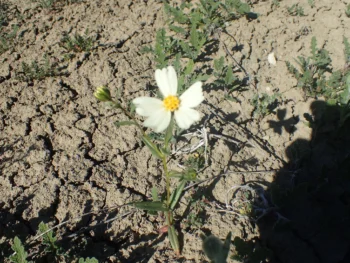
Paleyellow Tidytips: A Rare California Wildflower Worth Preserving
If you’re passionate about California native plants and conservation gardening, you might want to get acquainted with paleyellow tidytips (Layia heterotricha). This charming annual wildflower is more than just a pretty face—it’s a rare botanical treasure that could use some friends in the gardening community.
What Makes Paleyellow Tidytips Special?
Paleyellow tidytips is a delightful annual forb that belongs to the sunflower family. True to its name, this wildflower produces cheerful yellow blooms with distinctive pale yellow to white-tipped petals that create a soft, two-toned effect. The daisy-like flowers are small but numerous, creating a lovely carpet of color when planted in groups.
As an herbaceous annual, paleyellow tidytips completes its entire life cycle in one growing season. It’s a forb, which simply means it’s a flowering plant without woody stems—think of it as nature’s way of creating temporary bursts of beauty that return each year from seed.
A True California Native
This wildflower is as Californian as it gets—it’s native to the Golden State and found nowhere else in the world. Paleyellow tidytips calls California home, particularly thriving in the Central Valley and surrounding foothill regions.
- Species observed
- No observations
Conservation Alert: Handle with Care
Here’s the important part: Paleyellow tidytips has a Global Conservation Status of S2, meaning it’s considered imperiled. With typically only 6 to 20 known occurrences and possibly just 1,000 to 3,000 individual plants remaining in the wild, this species is vulnerable to extinction.
If you’re interested in growing paleyellow tidytips, please source seeds or plants only from reputable native plant nurseries that use ethically collected material. Never collect seeds from wild populations—every plant in the wild is precious for the species’ survival.
Garden Potential and Landscape Role
Despite its rarity in nature, paleyellow tidytips can play a wonderful role in conservation-minded gardens:
- Wildflower meadows: Perfect for naturalized California native plant gardens
- Xerophytic landscapes: Excellent choice for water-wise gardening
- Conservation gardens: Ideal for gardeners focused on preserving rare species
- Educational landscapes: Great conversation starter about native plant conservation
Growing Conditions and Care
The good news is that paleyellow tidytips isn’t particularly fussy once you understand its preferences:
- Sunlight: Thrives in full sun locations
- Soil: Prefers well-draining soils; avoid heavy clay or constantly wet conditions
- Water: Drought-tolerant once established, but appreciates some water during germination and early growth
- Climate zones: Best suited for USDA zones 8-10, particularly California’s Mediterranean climate
As a facultative wetland species, paleyellow tidytips can adapt to both wetland and non-wetland conditions, making it relatively flexible in garden settings.
Planting and Propagation Tips
Growing paleyellow tidytips from seed is your best bet:
- Direct seed in fall for spring blooms, following California’s natural rainfall patterns
- Scatter seeds on prepared soil surface and lightly rake in
- Provide supplemental water during dry periods in winter and early spring
- Allow plants to self-seed for natural reproduction
- Minimal fertilization needed—too much nutrition can actually reduce flowering
Supporting Pollinators and Wildlife
While specific wildlife benefits for paleyellow tidytips aren’t well-documented, as a member of the sunflower family, it likely attracts native California bees, butterflies, and other beneficial insects. Native wildflowers are generally excellent pollinator plants, providing nectar and pollen when many other food sources may be scarce.
The Bottom Line
Should you plant paleyellow tidytips? If you’re a California gardener with a passion for conservation and can source seeds responsibly, absolutely! By growing this rare native in your garden, you’re creating a backup population and helping preserve California’s botanical heritage. Plus, you’ll have a unique wildflower that few other gardeners can claim.
Just remember: always purchase from ethical sources, never collect from the wild, and consider yourself a conservation partner in preserving this beautiful piece of California’s natural legacy. Your garden could become a small but important refuge for one of the state’s rarest wildflowers.