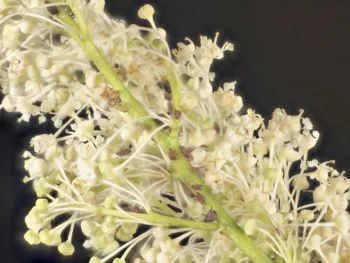
Palmer Ceanothus: A Rare Gem for California Native Gardens
If you’re looking to add a touch of California’s wild chaparral beauty to your garden, Palmer ceanothus (Ceanothus palmeri) might just be the perfect choice. This charming native shrub brings delicate spring blooms and year-round structure to drought-tolerant landscapes, but there’s something important you should know before rushing to the nursery.
Meet the Palmer Ceanothus
Palmer ceanothus is a perennial shrub that typically grows as a multi-stemmed woody plant, usually staying under 13-16 feet tall. What makes this plant special isn’t just its lovely appearance—it’s also a true California native with a story worth telling.
Where Does It Call Home?
This beautiful shrub is native to the lower 48 states, specifically calling California and Oregon home. You’ll find it naturally growing in the chaparral and woodland areas of southern California’s mountainous regions, with some populations extending into southern Oregon.
- Species observed
- No observations
A Plant That Needs Our Help
Here’s where things get important: Palmer ceanothus has a Global Conservation Status of S2S3, which means it’s considered rare and potentially vulnerable. Before you fall in love with this plant (and trust me, you will), it’s crucial to source it responsibly from reputable native plant nurseries that grow their stock from ethically collected seeds rather than wild-harvested plants.
Why Your Garden (and Local Wildlife) Will Love It
Despite its rarity in the wild, Palmer ceanothus makes an excellent garden addition for several reasons:
- Stunning spring display of small white to pale blue flowers arranged in dense, showy clusters
- Attracts native bees, butterflies, and other important pollinators
- Evergreen foliage provides year-round garden structure
- Exceptional drought tolerance once established
- Perfect for slope stabilization and erosion control
The Perfect Garden Match
Palmer ceanothus shines brightest in:
- Mediterranean-style gardens
- Native California plant gardens
- Xeriscape and drought-tolerant landscapes
- Wildlife gardens designed to support pollinators
- Chaparral restoration projects
Growing Palmer Ceanothus Successfully
Climate Needs: This shrub thrives in USDA hardiness zones 8-10, making it perfect for most of California and similar Mediterranean climates.
Sun and Soil: Give your Palmer ceanothus full sun and well-draining soil—it absolutely must have good drainage to prevent root rot. Sandy or rocky soils are ideal, mimicking its natural habitat.
Planting Tips:
- Plant in fall when temperatures are cooler
- Water regularly during the first year to help establish roots
- Once established, reduce watering significantly—this plant prefers to stay on the dry side
- Minimal pruning is needed; just remove dead or damaged branches
The Bottom Line
Palmer ceanothus is a wonderful choice for gardeners who want to support California’s native plant heritage while creating a beautiful, low-maintenance landscape. Its spring blooms are absolutely gorgeous, and the wildlife benefits make it a true garden hero.
Just remember: because this plant is rare in the wild, always purchase from reputable sources that propagate their plants responsibly. By choosing Palmer ceanothus for your garden, you’re not just adding beauty—you’re helping preserve a piece of California’s natural heritage for future generations.
Your garden will thank you, the pollinators will thank you, and you’ll have the satisfaction of growing something truly special and meaningful.