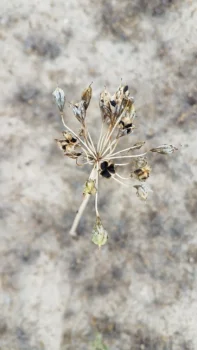
Palmer’s Bajalily: A Rare Desert Gem Worth Protecting in Your Garden
If you’re passionate about native desert gardening and love supporting rare plants, Palmer’s Bajalily (Triteleiopsis palmeri) might just be the perfect addition to your landscape. This charming little bulbous perennial brings delicate beauty to the harsh desert environment, but there are some important things to know before you start planning your planting.
What Makes Palmer’s Bajalily Special?
Palmer’s Bajalily is a native perennial forb that’s perfectly adapted to life in the American Southwest. Unlike woody shrubs or trees, this plant lacks significant woody tissue and instead grows as a soft-stemmed flowering plant that emerges from an underground bulb each growing season.
You might also encounter this plant listed under its scientific synonym, Brodiaea palmeri, in older gardening references or plant catalogs.
Where Does Palmer’s Bajalily Call Home?
This desert native is found exclusively in Arizona within the United States, though its range extends into northwestern Mexico. It’s a true child of the Sonoran Desert, having evolved to thrive in one of North America’s most challenging environments.
- Species observed
- No observations
A Beautiful but Vulnerable Species
Here’s something crucial every gardener needs to know: Palmer’s Bajalily has a Global Conservation Status of S3, meaning it’s considered vulnerable. With only 21 to 100 known occurrences and between 3,000 to 10,000 individuals estimated in the wild, this species faces real conservation challenges.
If you choose to grow Palmer’s Bajalily, please only purchase from reputable nurseries that use responsibly sourced, nursery-propagated material. Never collect plants from the wild.
Garden Appeal and Design Role
Despite its rarity, Palmer’s Bajalily offers unique beauty for the right garden setting. In spring, it produces clusters of delicate white to pale pink tubular flowers on slender stems that seem to dance above the desert floor. The blooms attract native bees and other desert pollinators, making it an excellent choice for supporting local ecosystems.
This plant works beautifully as:
- An accent plant in desert gardens
- A focal point in rock gardens
- Part of a native plant collection
- A conversation starter in xeriscapes
Growing Palmer’s Bajalily Successfully
Palmer’s Bajalily is suited for USDA hardiness zones 9-11, making it appropriate only for gardeners in the warmest regions of the country. If you live outside these zones, consider supporting conservation efforts instead of attempting to grow this desert specialist.
Ideal Growing Conditions
To successfully grow Palmer’s Bajalily, you’ll need to mimic its natural desert habitat:
- Soil: Well-draining sandy or rocky soil is essential
- Sun exposure: Full sun to partial shade
- Water: Very low water requirements – let soil dry completely between waterings
- Climate: Hot, dry summers with mild winters
Planting and Care Tips
Plant bulbs in fall when temperatures begin to cool. The plant naturally goes dormant during the intense summer heat, so don’t be alarmed when it disappears underground. This is completely normal desert survival behavior!
During the growing season, water sparingly only when soil is completely dry. Overwatering is probably the quickest way to kill this desert-adapted beauty.
Supporting Pollinators and Wildlife
One of the best reasons to grow Palmer’s Bajalily is its value to native pollinators. The tubular flowers are perfectly designed to attract desert bees and other pollinators that have co-evolved with desert plants. By growing this species responsibly, you’re supporting both plant conservation and pollinator habitat.
Is Palmer’s Bajalily Right for Your Garden?
Palmer’s Bajalily is an excellent choice if you:
- Live in USDA zones 9-11
- Have experience with desert gardening
- Want to support native plant conservation
- Can commit to purchasing only from responsible sources
- Appreciate subtle, delicate beauty over flashy displays
However, this plant might not be the best choice if you’re new to desert gardening or live outside its natural climate range. In these cases, consider other native bulbs appropriate for your region instead.
A Final Word on Conservation
Growing Palmer’s Bajalily is more than just adding another plant to your garden—it’s participating in conservation. By choosing nursery-grown plants and supporting responsible cultivation, you’re helping ensure this vulnerable species has a future both in gardens and in the wild.
Remember: every rare plant in cultivation is a small victory for conservation, but only when grown responsibly.