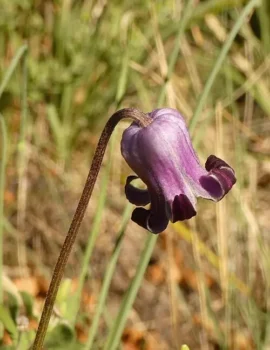
Palmer’s Leather Flower: A Hidden Gem for Southwest Native Gardens
If you’re looking to add a touch of wild elegance to your Southwest garden, Palmer’s leather flower (Clematis palmeri) might just be the climbing beauty you’ve been searching for. This native vine brings delicate charm and ecological benefits to desert landscapes, though it comes with some important considerations for the conscientious gardener.
Meet Palmer’s Leather Flower
Palmer’s leather flower is a perennial climbing vine that’s as graceful as it is resilient. Also known by its scientific name Clematis palmeri, this twining plant can scramble up trellises, fences, or natural supports with woody or herbaceous stems that reach for the sky. Don’t let the leather flower name fool you – the blooms are anything but tough-looking!
Where It Calls Home
This lovely clematis is a true native of the American Southwest, naturally occurring in Arizona and New Mexico. It’s perfectly adapted to the challenging conditions of these desert regions, making it an excellent choice for gardeners who want to work with nature rather than against it.
- Species observed
- No observations
Why You’ll Fall in Love with Palmer’s Leather Flower
Palmer’s leather flower offers several compelling reasons to earn a spot in your garden:
- Beautiful blooms: Small, delicate white to cream-colored flowers with four petals appear from spring through early summer
- Stunning seed heads: After flowering, the plant produces feathery, silky seed heads that add textural interest
- Pollinator magnet: The nectar-rich flowers attract bees, butterflies, and other beneficial pollinators
- Low maintenance: Once established, it’s remarkably drought tolerant and requires minimal care
- Native authenticity: Supports local ecosystems and wildlife as a true regional native
Perfect Garden Scenarios
Palmer’s leather flower shines in several garden settings:
- Desert and xeriscape gardens where water conservation is key
- Native plant gardens focused on regional flora
- Wildlife gardens designed to support pollinators and local fauna
- Vertical spaces that need a climbing element without excessive water needs
Growing Conditions and Care
This adaptable vine is surprisingly easy to please once you understand its preferences:
Sunlight: Thrives in full sun to partial shade, though full sun typically produces the best flowering
Soil: Well-draining soil is essential – this plant definitely doesn’t like wet feet
Water: Drought tolerant once established, but benefits from occasional deep watering during extended dry periods
Climate: Hardy in USDA zones 5-9, making it suitable for a wide range of climates beyond just desert regions
Planting and Care Tips
Getting Palmer’s leather flower established is straightforward with these guidelines:
- Timing: Plant in fall or early spring for best establishment
- Support: Provide a trellis, fence, or other structure for the vine to climb
- Initial care: Water regularly the first year while roots establish
- Long-term maintenance: Minimal pruning needed; remove dead or damaged growth as necessary
- Patience: Like many native plants, it may take a season or two to really take off
Important Conservation Note
Here’s something every responsible gardener should know: Palmer’s leather flower has a conservation status that suggests it may be uncommon in the wild. If you decide to add this beauty to your garden, please source your plants from reputable nurseries that propagate rather than collect from wild populations. This ensures we can enjoy this native treasure while protecting wild communities for future generations.
The Bottom Line
Palmer’s leather flower offers Southwest gardeners a chance to grow something truly special – a native vine that’s both beautiful and ecologically valuable. While it may require some patience and responsible sourcing, the reward is a low-maintenance climber that connects your garden to the natural heritage of the region. For gardeners committed to native plants and sustainable gardening practices, Palmer’s leather flower represents the perfect marriage of beauty, ecology, and regional authenticity.