Palmleaf Indian Breadroot: A Hidden Gem for Prairie Gardens
If you’re looking to add authentic Great Plains character to your native garden, palmleaf Indian breadroot (Pediomelum digitatum) might just be the perfect prairie perennial you’ve never heard of. This unassuming legume packs a surprising punch with its delicate purple-pink flowers and drought-defying resilience.
What Makes This Plant Special
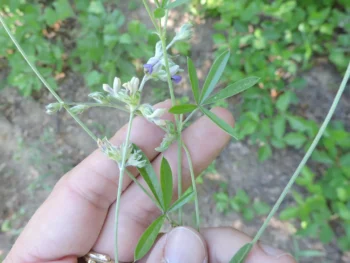
Palmleaf Indian breadroot is a true American native, naturally occurring across ten states from the Great Plains to the Southwest. You’ll find it growing wild in Arkansas, Colorado, Kansas, Louisiana, Nebraska, New Mexico, Oklahoma, South Dakota, Texas, and Wyoming. As its name suggests, this perennial forb features distinctive palmate leaves divided into 3-5 leaflets, giving it an almost hand-like appearance.
- Species observed
- No observations
Don’t let its humble size fool you – this plant has been sustaining both wildlife and indigenous peoples for centuries. The species belongs to the pea family, which means it’s not just pretty to look at, but also helps improve soil quality by fixing nitrogen.
Garden Appeal and Design Uses
In the garden, palmleaf Indian breadroot brings a subtle but charming presence. Its small, pea-like flowers bloom in dense clusters, creating pops of purple-pink color that attract native pollinators like bees and butterflies. The plant maintains a compact, herbaceous growth habit that works beautifully in:
- Prairie and wildflower gardens
- Native plant collections
- Drought-tolerant landscapes
- Pollinator gardens
- Natural meadow plantings
Growing Conditions and Care
One of the best things about palmleaf Indian breadroot is how easy it is to please once you understand its preferences. This prairie native thrives in USDA hardiness zones 4-8 and loves full sun exposure. It’s perfectly adapted to well-drained soils and actually prefers alkaline to neutral pH levels – quite different from many garden plants that prefer acidic conditions.
The secret to success with this plant is remembering its prairie origins. It’s built for drought and doesn’t appreciate being pampered with too much water or rich soil. Once established, it’s remarkably low-maintenance and can handle harsh conditions that would stress other perennials.
Planting and Propagation Tips
Getting palmleaf Indian breadroot started in your garden requires a bit of patience, but the results are worth it. Here’s how to succeed:
- Start from seed for best results, as this species doesn’t always transplant easily
- Sow seeds in fall for natural cold stratification
- Scarify seeds lightly to improve germination rates
- Choose a sunny location with excellent drainage
- Avoid overwatering – let natural rainfall do most of the work
- Be patient – prairie plants often take 2-3 years to fully establish
Important Conservation Note
Before you rush out to plant palmleaf Indian breadroot, there’s something important to know: this species is considered rare in Arkansas, where it has an S1 conservation status. This means it’s critically imperiled in that state. While it’s more stable across its broader range, responsible gardening means sourcing your plants or seeds from reputable native plant nurseries that use ethically collected genetic material – never from wild populations.
By choosing nursery-propagated plants, you’re supporting conservation efforts while still enjoying this beautiful native in your garden.
Wildlife and Pollinator Benefits
Like many members of the pea family, palmleaf Indian breadroot is a pollinator magnet. Its flowers provide nectar and pollen for native bees, butterflies, and other beneficial insects. The plant’s ability to fix nitrogen also improves soil health for neighboring plants, making it a great companion in mixed native plantings.
Is This Plant Right for Your Garden?
Palmleaf Indian breadroot is an excellent choice if you’re creating a low-water, low-maintenance landscape that celebrates regional flora. It’s particularly well-suited for gardeners in its native range who want to support local ecosystems while enjoying unique, historically significant plants.
However, if you’re looking for showy, long-blooming flowers or need plants for shady spots, this might not be your best bet. This prairie native is all about subtle beauty and ecological value rather than dramatic garden presence.
With its fascinating history, pollinator appeal, and drought tolerance, palmleaf Indian breadroot offers something special for the adventurous native plant gardener. Just remember to source responsibly and give it the sunny, well-drained conditions it craves – then sit back and enjoy watching this piece of prairie history thrive in your landscape.