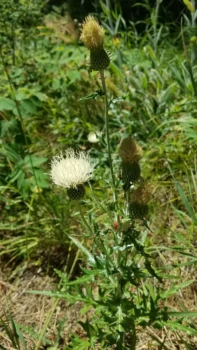
Palouse Thistle: A Rare Prairie Beauty Worth Protecting
Meet the Palouse thistle (Cirsium brevifolium), a stunning native wildflower that’s become something of a botanical treasure in the Pacific Northwest. This perennial forb might look like your typical spiky thistle, but it’s actually a rare gem that plays a crucial role in one of North America’s most endangered ecosystems.
What Makes Palouse Thistle Special?
The Palouse thistle is a true native of the American West, naturally occurring in Idaho, Oregon, and Washington. This hardy perennial belongs to the sunflower family and produces the classic purple thistle blooms that pollinators absolutely adore. You might also see it listed under its synonym, Cirsium palousense, in older botanical references.
- Species observed
- No observations
A Plant in Need of Protection
Here’s where things get serious: Palouse thistle has a Global Conservation Status of S3, meaning it’s considered vulnerable. With only 21 to 100 known occurrences and an estimated 3,000 to 10,000 individuals remaining in the wild, this isn’t your run-of-the-mill garden plant. The rarity stems from the dramatic loss of its native Palouse Prairie habitat – one of the most endangered ecosystems in North America.
Should You Grow Palouse Thistle?
If you’re passionate about conservation and have the right growing conditions, Palouse thistle can be a meaningful addition to your native plant garden. However, there’s a big caveat: you absolutely must source this plant responsibly. Never collect from wild populations, and only purchase from reputable native plant nurseries that propagate their own stock.
Perfect Growing Conditions
Palouse thistle thrives in conditions that mimic its native prairie home:
- Full sun exposure
- Well-drained soils
- USDA hardiness zones 4-8
- Prairie or naturalized garden settings
- Low to moderate water once established
This perennial forb is naturally drought-tolerant and low-maintenance, making it perfect for water-wise gardening once it’s established.
Wildlife and Pollinator Benefits
The purple blooms of Palouse thistle are pollinator magnets, attracting native bees, butterflies, and other beneficial insects. The seeds provide food for finches and other seed-eating birds, while the plant structure offers habitat for various insects throughout its growing season.
Landscape Design Ideas
Palouse thistle works beautifully in:
- Native prairie restorations
- Wildlife habitat gardens
- Naturalized areas
- Conservation-focused landscapes
- Pollinator gardens with native themes
Growing Tips and Care
Once you’ve sourced your Palouse thistle responsibly, care is refreshingly straightforward. Plant in spring after the last frost, ensuring good drainage to prevent root rot. Water regularly the first season to help establishment, then step back and let nature take over. This tough prairie native rarely needs supplemental water once its roots are established.
The plant will likely self-seed in favorable conditions, but remember that any extra plants you propagate should stay within conservation-minded circles.
The Bottom Line
Palouse thistle represents both an opportunity and a responsibility. If you choose to grow this rare beauty, you’re participating in its conservation while creating valuable habitat in your own backyard. Just remember: responsible sourcing isn’t just recommended – it’s essential for protecting the remaining wild populations of this vulnerable prairie treasure.