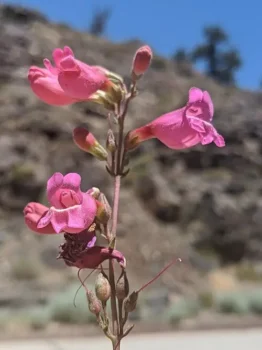
Panamint Beardtongue: A Desert Gem Worth Growing Responsibly
If you’re looking to add some serious desert flair to your garden, meet the Panamint beardtongue (Penstemon floridus) – a stunning native wildflower that’s perfectly at home in the harshest conditions. This perennial beauty proves that you don’t need tons of water to have a gorgeous garden, and it’s got the pollinator appeal to match its good looks.
What Makes Panamint Beardtongue Special?
The Panamint beardtongue is a true native American, naturally occurring in the lower 48 states with a special fondness for the desert regions of California and Nevada. As a perennial forb herb, this plant comes back year after year without the woody stems of shrubs or trees – just pure herbaceous goodness that knows how to survive in tough conditions.
Where You’ll Find This Desert Native
This remarkable plant calls the Mojave Desert home, thriving in southeastern California and southern Nevada. You might spot it growing wild in the dramatic landscapes around Death Valley and the Panamint Mountains, where it has adapted to some of the most challenging growing conditions on the continent.
- Species observed
- No observations
A Important Note About Rarity
Here’s something crucial to know: Panamint beardtongue has a Global Conservation Status of S3?, which means its conservation status is somewhat undefined but potentially of concern. If you’re interested in growing this beautiful native, please make sure you source your plants or seeds from reputable nurseries that propagate them responsibly – never collect from wild populations.
Why Your Garden (and Local Wildlife) Will Love It
The Panamint beardtongue brings serious aesthetic appeal with its gorgeous purple to blue tubular flowers that bloom from spring into early summer. The silvery-green foliage provides a lovely contrast and looks great even when the plant isn’t in bloom. But the real magic happens when the flowers appear – hummingbirds, native bees, and butterflies absolutely go crazy for those nectar-rich blooms.
Perfect Garden Situations
This plant is absolutely perfect for:
- Xeriscaping and drought-tolerant landscapes
- Rock gardens and desert-themed designs
- Native plant gardens
- Areas where you want vertical interest and seasonal color
- Low-maintenance landscapes
Growing Conditions That Make It Happy
Panamint beardtongue is surprisingly easy to please once you understand its desert origins:
- Sunlight: Full sun is essential – this plant loves to bask
- Soil: Well-draining sandy or rocky soil is crucial; heavy clay will kill it faster than you can say root rot
- Water: Extremely drought tolerant once established – think occasional drink not regular watering schedule
- Climate: Thrives in USDA hardiness zones 8-10
Planting and Care Tips for Success
Getting your Panamint beardtongue off to a good start is pretty straightforward:
- Plant in fall or early spring when temperatures are milder
- Ensure excellent drainage – if your soil holds water, amend with sand, gravel, or plant in raised beds
- Give it space to show off – these plants don’t like being crowded
- Water sparingly during the first season to help establishment, then back off significantly
- Avoid fertilizing – desert natives prefer lean soil
- The biggest mistake you can make is overwatering, so when in doubt, don’t!
The Bottom Line
Panamint beardtongue is a fantastic choice for gardeners who want to embrace water-wise gardening while supporting native ecosystems. Just remember to source it responsibly given its conservation status, and you’ll be rewarded with a low-maintenance perennial that brings both beauty and important pollinator habitat to your landscape. Plus, there’s something pretty satisfying about successfully growing a plant that thrives in Death Valley – your gardening skills will definitely get some bragging rights!