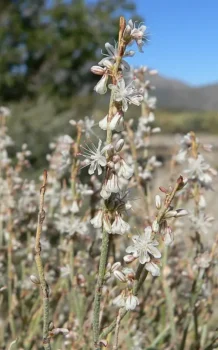
Panamint Mountain Buckwheat: A Desert Gem for Water-Wise Gardens
If you’re looking to add some desert magic to your water-wise garden, let me introduce you to a true southwestern beauty: Panamint Mountain buckwheat (Eriogonum panamintense). This charming native perennial might not be a household name, but it’s definitely worth getting to know – especially if you’re passionate about supporting local ecosystems while creating a stunning, low-maintenance landscape.
Meet the Panamint Mountain Buckwheat
Panamint Mountain buckwheat is a native wildflower that calls the desert mountains of California and Nevada home. As a member of the buckwheat family, this perennial forb (that’s garden-speak for a non-woody flowering plant) has adapted beautifully to some pretty tough conditions. You might also see it listed under its former scientific name, Eriogonum racemosum var. desertorum, but don’t let the fancy names intimidate you!
Where Does It Come From?
This desert native has a fairly limited range, growing naturally in the mountainous regions of eastern California and southern Nevada. It’s particularly associated with the Panamint Range, which gives it its common name. As a true native of the American Southwest, it’s perfectly adapted to the challenging conditions of our desert landscapes.
- Species observed
- No observations
Why You’ll Love This Plant
Here’s what makes Panamint Mountain buckwheat such a winner for desert gardens:
- Drought superstar: Once established, this plant needs virtually no supplemental watering
- Pollinator magnet: The clusters of small white to pinkish flowers are absolute bee and butterfly favorites
- Low maintenance: No fertilizer needed, minimal pruning required
- Attractive foliage: The silvery-green leaves provide year-round interest
- Native credentials: Supports local wildlife and fits perfectly into natural desert landscapes
Perfect Garden Settings
Panamint Mountain buckwheat shines brightest in:
- Xeriscapes and drought-tolerant gardens
- Rock gardens and desert landscapes
- Native plant gardens
- Naturalized areas where you want to support local wildlife
- Slopes and areas with challenging growing conditions
Growing Conditions and Care
The good news? This plant is pretty easygoing once you understand its preferences:
Sunlight: Full sun is essential – this desert native needs those bright rays to thrive.
Soil: Well-draining soil is absolutely critical. Sandy or rocky soils work perfectly. Heavy clay or areas that stay wet will spell trouble for this drought-adapted plant.
Water: After the first year, you can pretty much forget about watering. During establishment, provide occasional deep watering, but once settled, natural rainfall should be plenty.
Climate: Hardy in USDA zones 8-10, making it perfect for southwestern and warm western gardens.
Planting and Care Tips
Ready to give this desert beauty a try? Here’s how to set it up for success:
- Best planting time: Fall is ideal, giving roots time to establish before summer heat
- Spacing: Give plants room to spread – they don’t like to be crowded
- Soil prep: If your soil is heavy, add coarse sand or gravel to improve drainage
- Watering schedule: Water deeply but infrequently during the first year, then step back
- Fertilizer: Skip it! These plants actually prefer poor soils
Important Conservation Note
Here’s something important to keep in mind: Panamint Mountain buckwheat has a somewhat uncertain conservation status, suggesting it might be vulnerable in its natural habitat. This makes it all the more valuable to grow in our gardens! However, if you decide to add this plant to your landscape, please make sure you’re purchasing from reputable nurseries that use responsibly sourced seed or cuttings. Never collect plants from the wild – this helps protect the natural populations while still allowing you to enjoy this beautiful native in your garden.
Supporting Wildlife
One of the best reasons to grow Panamint Mountain buckwheat is its value to local wildlife. The flowers provide nectar for native bees, butterflies, and other beneficial insects, while the seeds can feed small birds. By choosing natives like this, you’re creating habitat corridors that support the creatures that call your region home.
The Bottom Line
Panamint Mountain buckwheat might be a bit of a hidden gem, but it’s exactly the kind of plant that makes desert gardening so rewarding. It’s beautiful, practically maintenance-free, and provides real ecological benefits. Plus, there’s something deeply satisfying about growing a plant that’s perfectly adapted to your local conditions – no fighting against nature required!
If you’re ready to embrace true water-wise gardening with a plant that gives back to local ecosystems, Panamint Mountain buckwheat deserves a spot on your list. Just remember to source it responsibly, and you’ll have a desert treasure that will reward you for years to come.