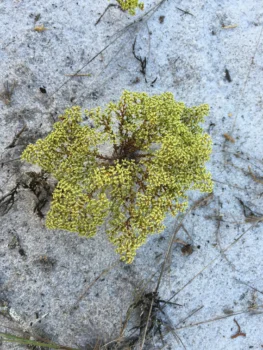
Paper Nailwort: A Rare Florida Native Worth Protecting
If you’re passionate about native Florida plants and conservation gardening, you may have heard whispers about paper nailwort (Paronychia chartacea). This little-known annual herb is one of Florida’s most endangered botanical treasures, making it both fascinating and challenging for native plant enthusiasts.
What is Paper Nailwort?
Paper nailwort is a small annual forb—essentially a non-woody flowering plant that completes its entire life cycle in one growing season. True to its name, this delicate plant produces tiny flowers surrounded by papery, translucent bracts that give it a distinctive appearance. As a member of the carnation family, it shares some characteristics with more familiar garden plants, but remains uniquely adapted to Florida’s specific ecosystems.
Where Does Paper Nailwort Call Home?
This rare native is endemic to Florida, meaning it exists nowhere else in the world naturally. Its extremely limited geographic distribution makes it particularly vulnerable to habitat loss and environmental changes. The plant has evolved specifically for Florida’s unique growing conditions and plays an important role in the state’s native plant communities.
- Species observed
- No observations
Why This Plant Deserves Your Attention (But Proceed with Caution)
Important Conservation Note: Paper nailwort has a Global Conservation Status of S3 (Vulnerable) and is listed as Threatened in the United States. This means it’s at significant risk of extinction due to its rarity and limited range. If you’re interested in growing this species, it’s crucial to obtain plants or seeds only from reputable native plant nurseries that practice ethical propagation methods.
Growing Conditions and Care
Due to its rarity, detailed cultivation information for paper nailwort is limited. However, based on its native Florida habitat, this plant likely thrives in:
- Sandy, well-draining soils typical of Florida’s natural areas
- Full sun to partial shade conditions
- USDA hardiness zones 9-11
- Natural rainfall patterns of its native range
As an annual, paper nailwort completes its growth cycle within one year, germinating, flowering, setting seed, and dying back naturally. This makes timing crucial for successful cultivation.
Garden Design and Landscape Role
Paper nailwort is best suited for specialized native plant gardens, conservation collections, or rock gardens that celebrate Florida’s unique flora. Its small stature and inconspicuous flowers make it more of a botanical curiosity than a showy garden specimen. However, for dedicated native plant enthusiasts and conservationists, it represents an opportunity to participate in preserving Florida’s botanical heritage.
Wildlife and Pollinator Benefits
While specific wildlife interactions are not well-documented due to the plant’s rarity, paper nailwort likely provides nectar and pollen for small native insects. Every native plant plays a role in supporting local ecosystems, and rare species like this one may have specialized relationships with particular pollinators or other wildlife.
Should You Plant Paper Nailwort?
The decision to grow paper nailwort comes with both privilege and responsibility. If you choose to cultivate this rare native:
- Only purchase from reputable sources that practice sustainable propagation
- Consider it part of a conservation effort rather than typical gardening
- Allow the plant to complete its natural cycle and collect seeds responsibly
- Share your knowledge and seeds with other conservation-minded gardeners
- Report your success to local native plant societies or conservation organizations
Given its threatened status, paper nailwort isn’t for every gardener. However, for those committed to conservation and native plant preservation, it offers a unique opportunity to help protect one of Florida’s rarest botanical inhabitants. Just remember—with great botanical privilege comes great responsibility to ensure future generations can enjoy these living pieces of Florida’s natural heritage.