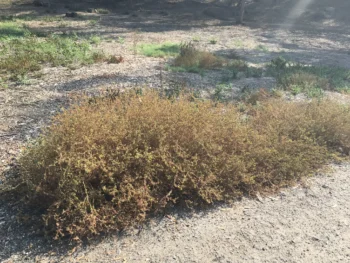
Pappose Tarweed: A Rare California Native Worth Protecting
Meet pappose tarweed (Centromadia parryi australis), a little-known annual wildflower that represents one of California’s more elusive native plants. While you might not find this charming forb at your local nursery, understanding its story helps us appreciate the incredible diversity of plants that call the Golden State home.
What Makes Pappose Tarweed Special?
Pappose tarweed belongs to the sunflower family and grows as an annual forb—basically a soft-stemmed, non-woody plant that completes its entire life cycle in one growing season. You might also see it referenced by its former scientific names, Hemizonia australis or Hemizonia parryi ssp. australis, as botanists have reclassified this plant over the years.
This native Californian has earned a conservation status of S3T2, which means it’s considered rare and potentially imperiled. In plant conservation terms, this is a red flag that tells us we need to pay attention to this species and handle it with care.
Where Does It Grow?
Pappose tarweed is endemic to California, meaning it naturally occurs nowhere else in the world. This makes it a true California original—a plant that evolved specifically in the unique conditions of the state’s diverse landscapes.
- Species observed
- No observations
Should You Plant Pappose Tarweed?
Here’s where things get tricky. While supporting native plants is always admirable, pappose tarweed’s rare status means we need to be extra thoughtful about how we approach it. If you’re interested in growing this species, here are some important considerations:
- Source responsibly: Only obtain seeds or plants from reputable native plant nurseries that can verify sustainable collection practices
- Avoid wild collection: Never collect seeds or plants from wild populations, as this can further stress already vulnerable communities
- Consider alternatives: Other Centromadia species or related tarweeds might offer similar ecological benefits without the conservation concerns
Growing Conditions and Care
As an annual forb native to California, pappose tarweed likely prefers the state’s Mediterranean climate patterns, though specific growing requirements for this particular species aren’t well-documented in horticultural literature. Like many California natives, it probably appreciates:
- Well-draining soils
- Full sun exposure
- Minimal summer water once established
- Natural rainfall patterns for germination and early growth
Since it’s an annual, you’d need to allow it to set seed for it to return the following year, or collect and replant seeds yourself.
The Bigger Picture
While pappose tarweed might not be the easiest addition to your garden, learning about plants like this helps us understand the incredible botanical heritage of California. Every rare species represents millions of years of evolution and adaptation to specific conditions.
If you’re passionate about supporting California’s native flora, consider volunteering with local native plant societies, participating in habitat restoration projects, or simply choosing more common native alternatives that provide similar ecological functions without the conservation concerns.
Sometimes the best way to love a rare plant is to admire it from afar and work to protect the wild spaces where it naturally thrives.