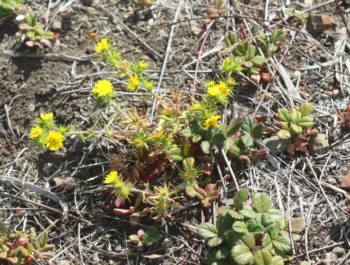
Pappose Tarweed: A Rare California Native Worth Protecting in Your Garden
If you’re passionate about native California plants and conservation gardening, pappose tarweed (Centromadia parryi parryi) might just be the under-the-radar annual that deserves a spot in your wildflower garden. While it may not have the flashy appeal of California poppies or lupines, this modest yellow-flowered native plays an important role in the Golden State’s botanical heritage.
What Is Pappose Tarweed?
Pappose tarweed is an annual forb—essentially a non-woody flowering plant that completes its entire life cycle in one growing season. As a member of the sunflower family (Asteraceae), it produces small, cheerful yellow composite flowers that may remind you of tiny daisies. You might also encounter this plant listed under its former scientific names, Hemizonia parryi Greene or Hemizonia parryi Greene ssp. parryi, if you’re browsing older botanical references.
Where Does Pappose Tarweed Grow?
This California endemic is native to the lower 48 states, but you’ll only find it naturally occurring within California’s borders. Its limited distribution makes it a true Golden State specialty, adapted specifically to the unique climate and soil conditions found throughout various regions of the state.
- Species observed
- No observations
Important Conservation Note
Before we dive into growing tips, there’s something crucial you need to know: pappose tarweed is considered vulnerable with a Global Conservation Status of S3. This means it’s rare and local throughout its range, with typically only 21 to 100 occurrences or between 3,000 and 10,000 individuals remaining. If you choose to grow this special plant, please ensure you source seeds or plants from reputable native plant nurseries that practice ethical collection methods.
Why Grow Pappose Tarweed?
You might be wondering why you’d want to add this relatively uncommon plant to your garden. Here are some compelling reasons:
- Conservation impact: By growing pappose tarweed, you’re helping preserve California’s botanical heritage and providing habitat for the creatures that depend on it
- Pollinator support: Like many members of the sunflower family, it attracts native bees and other small pollinators
- Low maintenance: As a California native, it’s naturally adapted to the state’s dry summers and wet winters
- Authentic wildflower gardens: It adds genuine local character to native plant landscapes
Growing Conditions and Care
Pappose tarweed is surprisingly easy to grow once you understand its preferences:
Ideal Growing Conditions
- Sunlight: Full sun exposure
- Soil: Well-draining soils; avoid areas that stay wet
- Water: Drought tolerant once established; minimal summer water needed
- Climate zones: USDA zones 8-10 (California’s climate zones)
Planting and Care Tips
Since pappose tarweed is an annual, you’ll be starting fresh each year—but don’t worry, it often self-seeds if conditions are right:
- Timing: Sow seeds in fall to mimic natural germination patterns
- Method: Direct seed in the garden rather than starting indoors
- Spacing: Scatter seeds and let them find their preferred spots naturally
- Watering: Provide water during germination and early growth, then reduce as plants establish
- Maintenance: Minimal care needed; let some plants go to seed for next year’s crop
Garden Design Ideas
Pappose tarweed works beautifully in:
- Native wildflower meadows
- Drought-tolerant landscapes
- Restoration projects
- Educational or demonstration gardens focused on rare California plants
A Plant Worth Protecting
While pappose tarweed might not be the showiest plant in your garden, growing it connects you to California’s unique botanical legacy. Every garden that includes this rare native helps ensure its survival for future generations. Just remember to source it responsibly and let it self-seed to create sustainable populations in your landscape.
By choosing to grow pappose tarweed, you’re not just adding another plant to your garden—you’re becoming a conservation partner in preserving California’s irreplaceable native flora.