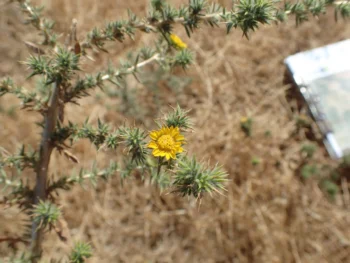
Pappose Tarweed: A Golden Native Annual for California Gardens
If you’re looking to add authentic California charm to your native garden, pappose tarweed (Centromadia parryi rudis) might just be the unsung hero you’ve been searching for. This cheerful annual wildflower brings a splash of golden yellow to late summer and fall landscapes, all while supporting local pollinators and maintaining the ecological integrity of your garden space.
What Makes Pappose Tarweed Special?
Pappose tarweed is a true California native, found exclusively in the Golden State. As an annual forb, this herbaceous wildflower completes its entire life cycle in one growing season, producing small but numerous bright yellow composite flowers that create a delightful carpet of color when planted in groups.
You might also encounter this plant listed under its scientific synonym, Hemizonia parryi Greene ssp. rudis, in older gardening references or seed catalogs.
Where Does It Grow Naturally?
This California endemic has made its home throughout various regions of the state, adapting to the Mediterranean climate and seasonal rainfall patterns that define much of California’s landscape. Its natural distribution makes it an excellent choice for gardeners wanting to recreate authentic local ecosystems.
- Species observed
- No observations
Important Conservation Note
Before we dive into growing tips, there’s something important to know: pappose tarweed has a conservation status that suggests it may be uncommon in some areas. If you decide to grow this lovely native, please ensure you source seeds or plants from reputable native plant nurseries that collect responsibly and don’t impact wild populations.
Garden Design and Landscape Role
Pappose tarweed shines brightest in:
- Native wildflower gardens and meadows
- Xeriscape and drought-tolerant landscapes
- Naturalized areas where you want low-maintenance color
- Pollinator gardens supporting native bee species
Its modest size and cheerful flowers make it an excellent companion plant for other California natives, and its annual nature means it can fill in gaps and provide seasonal interest without overwhelming perennial plantings.
Growing Conditions and Care
One of the best things about pappose tarweed is how well-adapted it is to California’s natural growing conditions:
- Sunlight: Thrives in full sun locations
- Soil: Prefers well-draining soils; avoid areas that stay soggy
- Water: Drought tolerant once established, mimicking natural rainfall patterns
- Climate zones: Best suited for USDA zones 8-10, matching California’s Mediterranean climate
Planting and Establishment Tips
Getting pappose tarweed started in your garden is refreshingly straightforward:
- Direct seed in fall to mimic natural germination patterns
- Lightly rake seeds into soil surface – they need some soil contact but not deep burial
- Water gently during establishment, then reduce irrigation to match natural rainfall
- Allow plants to self-seed for naturalized populations in following years
Pollinator and Wildlife Benefits
While pappose tarweed may be small in stature, it punches above its weight when it comes to supporting local ecosystems. The flowers attract native bees and other beneficial insects, contributing to the web of relationships that keep California’s natural communities healthy and thriving.
Is Pappose Tarweed Right for Your Garden?
This charming native is perfect for gardeners who want to support local ecology while enjoying low-maintenance seasonal color. It’s especially appealing if you’re creating habitat gardens, working with naturally dry conditions, or simply love the idea of growing plants that have called California home for thousands of years.
Just remember to source your seeds responsibly, and you’ll be rewarded with a delightful annual that brings both beauty and ecological value to your garden year after year.