Paradox Sunflower: A Rare Gem for Specialized Gardens
Meet the paradox sunflower (Helianthus paradoxus), a truly unique member of the sunflower family that lives up to its intriguing name. This isn’t your typical backyard sunflower – it’s a rare native species with very particular needs and a fascinating story of adaptation.
What Makes the Paradox Sunflower Special?
The paradox sunflower is an annual forb native to the southwestern United States, specifically found in New Mexico and Texas. What makes this sunflower paradoxical is its unusual habitat preference – unlike most sunflowers that thrive in regular garden soil, this species has evolved to flourish in salty, wetland environments around the Pecos River drainage.
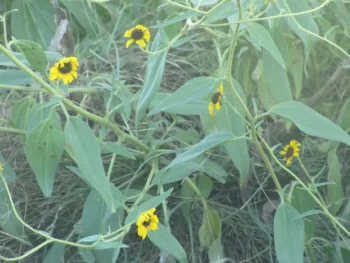
As a herbaceous plant without woody stems, the paradox sunflower produces the classic sunflower appearance we all recognize: bright yellow ray petals surrounding a dark center disc. However, its smaller stature and specialized growing requirements set it apart from its more common relatives.
- Species observed
- No observations
Important Conservation Considerations
Before considering this plant for your garden, it’s crucial to understand its conservation status. The paradox sunflower has a Global Conservation Status of S2, meaning it’s imperiled due to extreme rarity. It’s also listed as Threatened in the United States. If you’re interested in growing this species, please ensure you source seeds or plants only from reputable native plant societies or conservation organizations that practice responsible collection methods.
Growing Conditions: Not for the Average Garden
Here’s where things get interesting (and challenging). The paradox sunflower isn’t suited for typical home gardens. This specialized plant requires:
- Saline or brackish water conditions
- Wet to saturated soils
- Full sun exposure
- USDA hardiness zones 7-9
The plant has a Facultative Wetland status across its range, meaning it usually occurs in wetlands but may occasionally be found in non-wetland areas. This wetland preference, combined with its need for salty conditions, makes it extremely difficult to cultivate outside its natural habitat.
Garden Applications and Landscape Role
While most gardeners won’t be able to accommodate the paradox sunflower’s unique requirements, there are specific situations where it could thrive:
- Specialized wetland restoration projects
- Saline soil remediation gardens
- Native plant collections with controlled environments
- Educational or research gardens focusing on rare species
Wildlife and Pollinator Benefits
Like other sunflowers, the paradox sunflower likely attracts bees, butterflies, and other native pollinators when in bloom during late summer to fall. Its seeds may provide food for birds, though its limited distribution means these benefits are restricted to very specific ecosystems.
Should You Plant Paradox Sunflower?
For most home gardeners, the answer is probably no – but not because it isn’t wonderful! The paradox sunflower’s extremely specialized growing requirements make it unsuitable for typical garden settings. Additionally, its threatened status means it should only be grown as part of conservation efforts with properly sourced material.
If you’re drawn to native sunflowers for your garden, consider these more garden-friendly alternatives that are native to broader regions:
- Common sunflower (Helianthus annuus)
- Maximilian sunflower (Helianthus maximiliani)
- Jerusalem artichoke (Helianthus tuberosus)
The Bottom Line
The paradox sunflower represents the incredible diversity and specialization found in nature. While it may not be practical for most gardens, understanding and appreciating plants like this one helps us recognize the importance of preserving unique habitats and the rare species that depend on them. If you encounter this plant in its natural habitat during travels through New Mexico or Texas, take a moment to appreciate this remarkable example of evolutionary adaptation – and perhaps consider supporting organizations working to protect its fragile wetland homes.