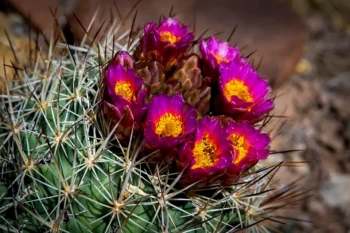
Pariette Cactus: A Rare Desert Gem Worth Protecting
Meet the Pariette cactus (Sclerocactus brevispinus), also known as the shortspine fishhook cactus – a botanical treasure that’s as rare as it is remarkable. This little desert dweller might just be one of the most exclusive plants you could ever hope to grow, and we mean that quite literally!
What Makes the Pariette Cactus Special?
The Pariette cactus is a small, barrel-shaped wonder that packs a lot of personality into its compact frame. This perennial succulent produces stunning yellow to pink flowers in spring, creating a delightful contrast against its spine-covered exterior. The distinctive hooked spines that give it one of its common names aren’t just for show – they’re perfectly adapted to its harsh desert environment.
Where Does It Call Home?
This cactus is a true Utah native, found exclusively in the Uinta Basin region. It’s what botanists call an endemic species, meaning you won’t find it growing naturally anywhere else in the world. Talk about hometown pride!
- Species observed
- No observations
A Word of Caution: Rarity Alert
Important: Before you start planning your cactus garden, here’s something crucial to know – the Pariette cactus is critically imperiled with a Global Conservation Status of S1 and is listed as Threatened in the United States. This means there are typically fewer than 1,000 individuals remaining in the wild, with only 5 or fewer known populations.
If you’re interested in growing this species, please only obtain plants from reputable, licensed nurseries that can guarantee responsibly sourced material. Never collect from the wild – it’s illegal and harmful to the remaining populations.
Garden Appeal and Landscape Role
Despite its rarity challenges, the Pariette cactus offers unique benefits for the right gardener:
- Exceptional conversation starter and educational opportunity
- Perfect specimen plant for specialized rock gardens
- Ideal for cactus and succulent collections
- Excellent choice for xeriscaping and water-wise landscapes
- Spring blooms attract native bees and desert pollinators
Growing Conditions and Care
This isn’t your typical houseplant – the Pariette cactus has very specific needs that mirror its harsh native environment:
- Sunlight: Full sun is essential
- Soil: Extremely well-draining, sandy or gravelly soil
- Water: Minimal watering; drought tolerance is key
- Climate: Hardy in USDA zones 4-8
- Drainage: Cannot tolerate standing water or high humidity
Planting and Care Tips
Successfully growing a Pariette cactus requires attention to detail:
- Plant in a raised bed or container with exceptional drainage
- Use a cactus-specific soil mix or create your own with sand and gravel
- Water sparingly, only when soil is completely dry
- Protect from excessive winter moisture
- Avoid fertilizing – these plants thrive in poor soils
Should You Grow It?
The Pariette cactus presents a unique opportunity for dedicated gardeners who want to participate in conservation efforts while enjoying a truly special plant. However, it’s not for everyone. Consider this species if you:
- Have experience growing cacti and succulents
- Can provide the specific growing conditions it needs
- Are committed to obtaining plants through legal, ethical sources
- Want to contribute to conservation through cultivation
Remember, growing rare plants comes with responsibility. By choosing to cultivate the Pariette cactus with responsibly sourced material, you’re not just adding a unique specimen to your garden – you’re becoming part of its conservation story.
The Bottom Line
The Pariette cactus is undeniably special, but its rarity means it’s not a casual gardening choice. If you’re up for the challenge and can source it responsibly, this remarkable little cactus offers the chance to grow something truly extraordinary while supporting conservation efforts. Just remember: with great rarity comes great responsibility!