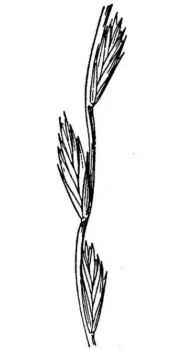
Parish Wheatgrass: A Hidden Gem for California Native Gardens
If you’re looking to add authentic California character to your garden while supporting local ecosystems, Parish wheatgrass (Elymus stebbinsii) might just be the native grass you’ve been searching for. This perennial bunch grass brings subtle beauty and ecological value to landscapes throughout its native range.
What Makes Parish Wheatgrass Special
Parish wheatgrass is a true California native, found exclusively in the Golden State. This elegant grass forms attractive clumps with narrow, blue-green to gray-green foliage that creates gentle movement in the garden. In late spring to early summer, graceful seed heads emerge, adding seasonal interest and a naturalistic charm that’s hard to replicate with non-native alternatives.
Where Does Parish Wheatgrass Grow Naturally
This native grass calls California home, where it thrives in the southern Sierra Nevada and adjacent mountain ranges. As a plant that’s perfectly adapted to California’s unique climate and soil conditions, Parish wheatgrass represents millions of years of evolution in harmony with local wildlife and weather patterns.
- Species observed
- No observations
Important Conservation Considerations
Before adding Parish wheatgrass to your shopping list, it’s worth noting that this species has a Global Conservation Status of S2S4, indicating some level of rarity or concern. While this doesn’t mean you shouldn’t grow it, it does mean you should be thoughtful about your plant sources. Always purchase from reputable native plant nurseries that propagate their own stock rather than collecting from wild populations.
Why Choose Parish Wheatgrass for Your Garden
There are several compelling reasons to consider this native grass:
- Authentic native appeal: Creates genuine California landscapes that feel naturally at home
- Low maintenance: Once established, requires minimal water and care
- Erosion control: Excellent choice for slopes and areas prone to soil erosion
- Wildlife habitat: Provides nesting material and shelter for beneficial insects and small animals
- Drought tolerance: Perfectly adapted to California’s dry summers
Perfect Garden Settings
Parish wheatgrass shines in several landscape scenarios. It’s particularly well-suited for native California gardens, xeriscape designs, and naturalized areas where you want to recreate the look of wild grasslands. The grass works beautifully for slope stabilization projects and makes an excellent choice for wildland restoration efforts. You can use it as an accent plant in mixed native borders or plant it in masses for a more dramatic grassland effect.
Growing Conditions and Care
Like most California natives, Parish wheatgrass appreciates well-drained soils and full sun to partial shade conditions. It’s remarkably drought tolerant once established, making it perfect for water-wise gardening. The grass thrives in USDA hardiness zones 7-10, which covers most of California’s populated areas.
Planting and Care Tips
Success with Parish wheatgrass starts with proper timing and technique:
- Best planting time: Fall planting allows roots to establish during the rainy season
- Starting out: Plant from seed or container-grown plugs from reputable native plant sources
- First year care: Water regularly during the establishment period, then gradually reduce watering
- Annual maintenance: Cut back old growth in late winter before new shoots emerge
- Long-term care: Once established, this grass needs very little intervention
Supporting Pollinators and Wildlife
While Parish wheatgrass isn’t a major nectar producer like flowering plants, it plays an important supporting role in garden ecosystems. The grass provides valuable nesting material for beneficial insects and creates habitat structure that supports a diverse community of small creatures. Native birds may use the seed heads as a food source, while the grass clumps offer shelter and protection.
The Bottom Line
Parish wheatgrass offers gardeners a chance to grow a truly authentic piece of California’s natural heritage. While its somewhat rare status means you should source it responsibly, this native grass rewards thoughtful gardeners with low-maintenance beauty, ecological benefits, and the satisfaction of supporting local plant communities. If you’re ready to embrace water-wise gardening with genuine California character, Parish wheatgrass deserves a place on your consideration list.