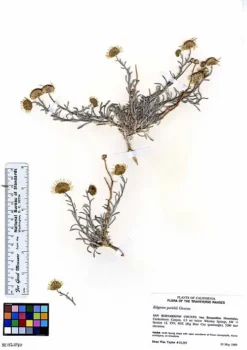
Parish’s Fleabane: A Rare California Mountain Gem Worth Protecting
If you’re passionate about California native plants and conservation, Parish’s fleabane (Erigeron parishii) might just capture your heart—but it comes with an important responsibility. This charming little perennial is one of those special plants that reminds us why protecting our native flora matters so much.
What Makes Parish’s Fleabane Special?
Parish’s fleabane is a delightful forb (that’s botanist-speak for a non-woody flowering plant) that produces cheerful daisy-like blooms. Picture small white to pale pink flowers with sunny yellow centers dancing above low-growing foliage—it’s the kind of understated beauty that makes native plant enthusiasts swoon.
As a perennial, this hardy little plant returns year after year, typically putting on its floral show from spring through early summer. Unlike shrubs or trees, Parish’s fleabane lacks significant woody growth and keeps its growing points at or near ground level, making it perfectly adapted to its mountain habitat.
Where Does It Call Home?
Parish’s fleabane is a true California endemic, naturally occurring only in the Golden State. You’ll find it specifically in the San Bernardino and San Gabriel Mountains, where it has adapted to the unique conditions of these elevated ecosystems.
- Species observed
- No observations
A Plant That Needs Our Help
Here’s where things get serious, fellow gardeners. Parish’s fleabane has a global conservation status of S2, which means it’s considered imperiled due to extreme rarity. In the United States, it’s actually listed as Threatened. We’re talking about a plant with typically only 6 to 20 known occurrences and somewhere between 1,000 to 3,000 individual plants remaining in the wild.
What does this mean for gardeners? If you’re lucky enough to obtain Parish’s fleabane, make sure it comes from a reputable native plant nursery that uses responsibly sourced material—never from wild collection. Better yet, consider supporting conservation efforts for this species while growing other, more common Erigeron species in your garden.
Growing Parish’s Fleabane (If You Can Find It)
Should you manage to source this rare beauty responsibly, here’s what it needs to thrive:
- Excellent drainage: This mountain native absolutely cannot tolerate soggy feet
- Full sun to partial shade: It appreciates bright conditions but can handle some afternoon shade
- Low water needs: Once established, it’s quite drought-tolerant
- USDA zones 8-10: Best suited for California’s mountain and foothill regions
Perfect for the Right Garden
Parish’s fleabane shines in:
- Native California plant gardens
- Rock gardens and alpine collections
- Drought-tolerant landscapes
- Conservation-focused gardens
The key is creating conditions that mimic its natural mountain habitat—think well-draining, rocky or sandy soils with minimal summer water.
Benefits Beyond Beauty
Like other members of the Erigeron family, Parish’s fleabane likely provides nectar and pollen for native bees, butterflies, and other pollinators. Every native plant we grow—especially rare ones—contributes to supporting our local ecosystems.
The Bottom Line
Parish’s fleabane represents both the beauty and fragility of California’s native flora. While most of us won’t be growing this rare gem in our gardens, we can appreciate its story and support conservation efforts. If you do encounter it at a specialized native plant sale, treat it as the treasure it is—and consider it a living reminder of why protecting our native plant communities matters so much.
For most gardeners interested in fleabanes, consider more common Erigeron species that offer similar charm without the conservation concerns. Sometimes the best way to love a rare plant is to admire it from afar while supporting its protection in the wild.