Parish’s Larkspur: A Stunning Native Wildflower for Your Garden
If you’re looking to add some serious vertical drama to your native plant garden, meet Parish’s larkspur (Delphinium parishii parishii). This gorgeous perennial wildflower brings towering spikes of blue-purple blooms that’ll make your neighbors stop and stare – in the best possible way.
What Makes Parish’s Larkspur Special?
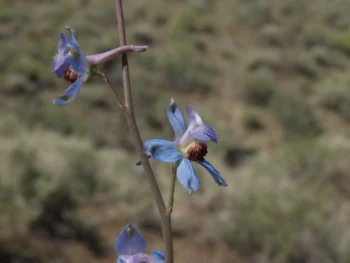
Parish’s larkspur is a true native gem of the American Southwest. As a perennial forb (that’s garden-speak for a non-woody flowering plant), it comes back year after year to grace your landscape with its spectacular flower displays. The plant produces tall, elegant spikes adorned with distinctive spurred flowers that range from deep blue to rich purple – nature’s own exclamation points in your garden.
Where Does It Call Home?
This beauty is native to four southwestern states: Arizona, California, Nevada, and Utah. It’s perfectly adapted to the unique conditions of this region, making it an excellent choice for gardeners wanting to work with nature rather than against it.
- Species observed
- No observations
Why Your Garden (and Local Wildlife) Will Love It
Parish’s larkspur isn’t just a pretty face – it’s a pollinator magnet! Those uniquely shaped flowers are specially designed to attract hummingbirds and long-tongued bees. The deep spurs hold nectar that only certain pollinators can reach, making your garden an important pit stop in their daily rounds.
From a design perspective, this plant excels as a vertical accent. Whether you’re creating a wildflower meadow, designing a xeriscape, or adding structure to a native plant border, Parish’s larkspur provides that coveted height and drama that every garden needs.
Perfect Growing Conditions
The good news? Parish’s larkspur is relatively low-maintenance once you understand its preferences:
- Sunlight: Full sun to partial shade
- Soil: Well-draining soils are essential – this plant hates wet feet
- Water: Drought tolerant once established, but appreciates occasional deep watering
- Climate: Thrives in USDA hardiness zones 5-9
Planting and Care Tips
Spring is your best bet for planting Parish’s larkspur. Here’s how to set it up for success:
- Choose a location with excellent drainage – soggy soil is this plant’s nemesis
- Give it space to reach its mature height of 2-6 feet
- Water regularly during the first growing season to help establish roots
- Once established, reduce watering – this desert native prefers the dry side
- Don’t panic if it goes dormant during extreme summer heat – it’s just taking a siesta
A Word About Conservation
Here’s something important to know: Parish’s larkspur has a conservation status that suggests it may be somewhat uncommon in parts of its range. This makes it even more special in your garden, but it also means we should be thoughtful about how we source it. Always purchase from reputable native plant nurseries that use responsibly collected seeds or ethically propagated plants. Never collect from wild populations.
Is Parish’s Larkspur Right for Your Garden?
This native beauty is perfect for gardeners who:
- Live within its natural range (Arizona, California, Nevada, Utah)
- Want to support local pollinators, especially hummingbirds
- Appreciate dramatic vertical elements in their landscape
- Prefer low-water, sustainable gardening practices
- Are creating native plant or wildflower gardens
Parish’s larkspur proves that native doesn’t mean boring – sometimes it means absolutely breathtaking. With its stunning flowers, wildlife benefits, and relatively easy care requirements, it’s a fantastic addition to any southwestern native plant garden. Just remember to source responsibly and give it the well-drained conditions it craves. Your garden (and the local hummingbirds) will thank you!