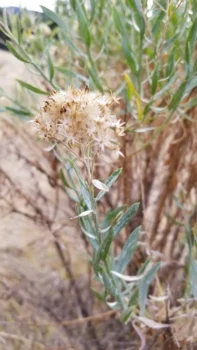
Parish’s Rabbitbrush: A Golden Treasure for California Native Gardens
If you’re looking for a drought-tolerant shrub that brings late-season color to your California garden while supporting local wildlife, Parish’s rabbitbrush (Ericameria parishii) might just be your new best friend. This charming native shrub proves that sometimes the most unassuming plants pack the biggest punch when it comes to garden performance.
What Makes Parish’s Rabbitbrush Special?
Parish’s rabbitbrush is a perennial shrub that’s perfectly adapted to California’s challenging climate. As a multi-stemmed woody plant, it typically stays compact at under 13-16 feet in height, making it manageable for most garden spaces. What really sets this plant apart is its timing – while many garden plants are winding down for the year, Parish’s rabbitbrush is just getting started with its spectacular fall flower display.
Where Does It Come From?
This lovely shrub is native to California, where it has evolved to thrive in the state’s unique Mediterranean and desert climates. You’ll find it naturally occurring in Southern California’s chaparral and desert regions, where it has learned to make the most of limited water resources.
- Species observed
- No observations
Garden Appeal and Landscape Role
Parish’s rabbitbrush brings several appealing qualities to your garden:
- Bright yellow composite flowers that bloom in fall when most other plants are dormant
- Attractive silvery-gray foliage that provides year-round interest
- Compact, well-behaved growth habit that works well in borders or as specimen plants
- Excellent drought tolerance once established
This shrub shines in xerophytic gardens, native plant landscapes, and desert-style designs. It’s particularly valuable for providing late-season color and can serve double duty as both an ornamental feature and wildlife habitat.
Wildlife and Pollinator Benefits
One of the best reasons to grow Parish’s rabbitbrush is its incredible value to pollinators. When it blooms in fall, it becomes a buzzing hub of activity, attracting bees, butterflies, and other beneficial insects at a time when few other flowers are available. This makes it an essential plant for supporting local ecosystems and maintaining pollinator populations through the lean months.
Growing Conditions and Care
Parish’s rabbitbrush is refreshingly low-maintenance once you understand its preferences:
- Sun requirements: Full sun is essential for best flowering and compact growth
- Soil needs: Well-draining soil is crucial – this plant cannot tolerate soggy conditions
- Water requirements: Drought tolerant once established, requiring minimal supplemental irrigation
- USDA Hardiness Zones: 8-10, perfect for most of California
Planting and Care Tips
Getting Parish’s rabbitbrush established in your garden is straightforward:
- Plant in fall when temperatures are cooling but soil is still warm
- Choose a location with excellent drainage – amend heavy clay soils with sand or gravel if needed
- Water regularly during the first year to help establish roots, then reduce to minimal irrigation
- Prune lightly after flowering to maintain shape and encourage bushier growth
- Avoid fertilizing, as this plant prefers lean soils
A Word About Conservation
Parish’s rabbitbrush has a Global Conservation Status of S3S4, which means it faces some level of conservation concern. If you decide to add this wonderful plant to your garden, please make sure to source it from reputable native plant nurseries that use responsibly collected or propagated material. Never collect plants from the wild, and consider this an opportunity to support conservation efforts by choosing natives over non-native alternatives.
Is Parish’s Rabbitbrush Right for Your Garden?
This native shrub is an excellent choice if you:
- Want to support local wildlife and pollinators
- Need a drought-tolerant plant for challenging sites
- Appreciate late-season garden color
- Are creating a native plant or xeriscape garden
- Want a low-maintenance shrub with year-round appeal
Parish’s rabbitbrush may not be the showiest plant in the nursery, but it more than makes up for any modesty with its reliability, wildlife value, and perfect adaptation to California growing conditions. In a world where water conservation and supporting native ecosystems are increasingly important, this golden-flowered shrub offers a beautiful way to garden in harmony with nature.