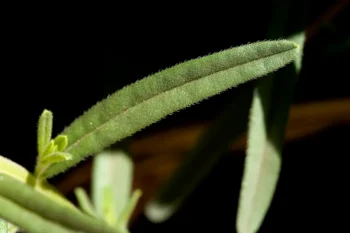
Parks’ Stoneseed: A Rare Southwestern Native Worth Protecting
If you’re a native plant enthusiast always on the hunt for something truly special, Parks’ stoneseed (Lithospermum parksii) might catch your attention. But before you add this to your wishlist, there are some important things you need to know about this elusive southwestern native.
What Makes Parks’ Stoneseed Special
Parks’ stoneseed is a perennial forb native to the American Southwest. As a member of the borage family, it’s part of a group that typically produces lovely small flowers, though specific details about this particular species’ appearance are surprisingly scarce in the literature. What we do know is that it’s a non-woody plant that dies back to ground level each year and regrows from its roots.
Where You’ll Find It (If You’re Lucky)
This native beauty calls New Mexico and Texas home, though its exact distribution within these states remains somewhat mysterious. It’s one of those plants that seems to fly under the radar, even among botanists and native plant enthusiasts.
- Species observed
- No observations
The Rarity Reality Check
Here’s where things get serious: Parks’ stoneseed has a Global Conservation Status of S2S4, which indicates it’s quite rare and potentially vulnerable. This isn’t your typical native plant that you can casually add to your garden design. The rarity status means we need to be extra thoughtful about how we approach this species.
Should You Try to Grow Parks’ Stoneseed?
The honest answer? Probably not, at least not right now. Here’s why:
- Extremely limited availability through normal nursery channels
- Lack of established cultivation guidelines
- Conservation concerns about removing plants from wild populations
- Unknown growing requirements make success unlikely
If you’re absolutely determined to work with this species, any plant material should come from reputable sources that propagate from legally and ethically obtained seeds or divisions—never from wild collection.
Better Alternatives for Your Native Garden
While Parks’ stoneseed remains elusive, there are other wonderful borage family natives you can grow instead. Consider these southwestern alternatives that offer similar ecological benefits:
- Desert bluebells (Phacelia campanularia)
- Wild heliotrope (Heliotropium curassavicum)
- Fringed gromwell (Lithospermum incisum)
The Conservation Connection
Sometimes the best way to appreciate a rare plant is to protect its habitat rather than trying to grow it in our gardens. If you’re passionate about Parks’ stoneseed, consider supporting habitat conservation efforts in New Mexico and Texas, or participating in citizen science projects that help document rare plant populations.
What This Means for Native Plant Gardeners
Parks’ stoneseed serves as a reminder that not every native plant is garden-ready. Some species are meant to remain wild, appreciated from a distance, and protected in their natural habitats. As responsible native gardeners, we can honor these plants by choosing more common native alternatives that provide similar ecological functions without conservation concerns.
The world of native plants is vast and wonderful, with plenty of well-documented, readily available species that can create stunning landscapes while supporting local ecosystems. Let’s leave the rarest gems like Parks’ stoneseed to the conservation specialists and focus our gardening energy on the many other natives that are eager to thrive in our designed spaces.