Parry’s Wormwood: A Rare Mountain Gem for Your Native Garden
If you’re looking to add a touch of high-altitude elegance to your garden, Parry’s wormwood (Artemisia parryi) might just be the perfect choice. This delicate perennial brings the rugged beauty of Colorado and New Mexico’s mountain meadows right to your backyard, though it comes with some important considerations every responsible gardener should know.
What Makes Parry’s Wormwood Special
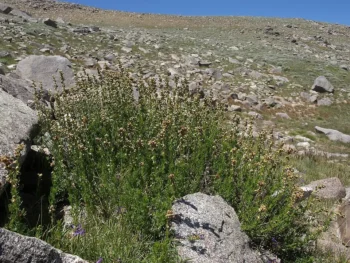
Parry’s wormwood is a native herbaceous perennial that belongs to the sunflower family. Unlike its more common garden cousins, this artemisia is a true mountain dweller, naturally found in the subalpine zones of Colorado and New Mexico. The plant forms low, spreading clumps of silvery-gray foliage that’s finely divided and wonderfully aromatic when brushed against.
In late summer, small yellowish flower heads appear, creating a subtle but charming display that native pollinators absolutely love. The overall effect is both delicate and drought-tough – a combination that’s hard to beat in the gardening world.
Where It Calls Home
This native beauty has a fairly limited natural range, growing wild in Colorado and New Mexico’s high-elevation areas. You’ll find it thriving in mountain meadows and subalpine environments where the air is crisp and the drainage is excellent.
- Species observed
- No observations
A Word About Rarity
Here’s something important every gardener should know: Parry’s wormwood has a Global Conservation Status of S3S4, which means it’s considered somewhat rare in its natural habitat. This doesn’t mean you can’t grow it, but it does mean you should be extra thoughtful about where you source your plants. Always purchase from reputable native plant nurseries that propagate their stock rather than collecting from wild populations.
Why Your Garden Will Love It
Parry’s wormwood is a fantastic choice for several types of gardens:
- Rock gardens: Its low, spreading habit and silvery foliage create beautiful contrasts against stones
- Alpine gardens: Perfect for recreating high-altitude plant communities
- Drought-tolerant landscapes: Once established, it needs minimal water
- Native plant gardens: Supports local ecosystems and wildlife
The plant typically grows 6-12 inches tall and spreads slowly to form attractive colonies. Its silvery foliage provides excellent textural contrast against green-leafed companions, and the aromatic qualities add another sensory dimension to your garden.
Pollinator Paradise
While the flowers might seem modest, they’re actually quite popular with small native bees and other beneficial insects. The plant blooms from late summer into fall, providing nectar when many other sources are becoming scarce.
Growing Conditions and Care
The key to success with Parry’s wormwood is thinking like a mountain: excellent drainage, plenty of sun, and not too much fussing.
Ideal growing conditions include:
- Full sun (6+ hours daily)
- Well-draining soil – this is absolutely critical
- Low to moderate water once established
- USDA hardiness zones 4-7
- Tolerates poor, rocky soils
Planting and Care Tips
Spring is the best time to plant Parry’s wormwood. Choose a sunny spot with excellent drainage – if water pools after rain, pick a different location or amend your soil with gravel or coarse sand.
Once planted, water regularly the first season to help establish roots, then back off significantly. This plant is adapted to lean conditions and will actually perform better with benign neglect than with heavy-handed care.
In late fall, you can cut the plant back to about 2-3 inches above ground level. The aromatic foliage can be composted or even dried for potpourri.
The Bottom Line
Parry’s wormwood is a wonderful choice for gardeners who appreciate subtle beauty and want to support native plant conservation. Its drought tolerance, pollinator appeal, and unique mountain character make it a valuable addition to the right garden. Just remember to source it responsibly and give it the well-draining conditions it craves.
With proper care and placement, this little mountain native will reward you with years of silvery beauty and the satisfaction of knowing you’re helping preserve a piece of our native plant heritage.