Parsnipflower Buckwheat: A Hidden Gem for Pacific Northwest Gardens
If you’re looking for a tough-as-nails native perennial that laughs in the face of drought while serving up a feast for pollinators, let me introduce you to parsnipflower buckwheat (Eriogonum heracleoides var. leucophaeum). This unsung hero of the Pacific Northwest might not have the flashiest name, but it’s got character in spades and the kind of low-maintenance attitude that makes gardeners everywhere swoon.
What Makes Parsnipflower Buckwheat Special?
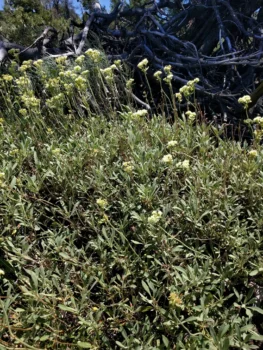
This native beauty belongs to the buckwheat family and has earned its keep as a true survivor in the challenging landscapes of Idaho and Washington. As a perennial forb, it returns year after year without the woody stems of shrubs, instead forming lovely clumps of silvery-gray foliage topped with clusters of delicate white to cream-colored flowers.
Parsnipflower buckwheat is native to the lower 48 states, specifically thriving in the rugged terrain of Idaho and Washington. This regional specialization makes it particularly valuable for gardeners in these areas who want to create landscapes that truly reflect their local ecosystem.
- Species observed
- No observations
Garden Appeal and Design Potential
Don’t let its humble appearance fool you – parsnipflower buckwheat brings subtle elegance to any garden design. The silvery foliage provides excellent contrast against darker plants, while the delicate flower clusters add a soft, cottage garden feel that works beautifully in:
- Rock gardens and xeriscapes
- Native plant landscapes
- Drought-tolerant borders
- Naturalized meadow areas
- Ground cover applications
A Pollinator Paradise
Here’s where parsnipflower buckwheat really shines – it’s absolutely beloved by pollinators! Bees, butterflies, and other beneficial insects flock to its modest but nectar-rich flowers. If you’re trying to create a pollinator-friendly garden, this native plant deserves a spot on your must-have list.
Growing Conditions and Care
One of the best things about parsnipflower buckwheat is how little fuss it requires once established. This plant is practically the definition of set it and forget it gardening:
- Sunlight: Full sun (6+ hours daily)
- Soil: Well-draining soil is absolutely essential – this plant hates wet feet
- Water: Drought tolerant once established; avoid overwatering
- USDA Zones: Hardy in zones 4-8
- Maintenance: Minimal – just occasional deadheading if desired
Planting and Establishment Tips
Getting parsnipflower buckwheat off to a good start is straightforward, but there are a few key points to remember:
- Plant in spring after the last frost
- Ensure excellent drainage – amend heavy clay soils with gravel or sand
- Water regularly during the first growing season to establish roots
- Once established, reduce watering significantly
- Avoid fertilizing, as this plant prefers lean soils
A Word About Conservation
Before you rush out to find parsnipflower buckwheat, there’s something important to know: this variety has a conservation status that suggests it may be somewhat uncommon in the wild. If you decide to add it to your garden (and we hope you do!), please make sure to source it responsibly from reputable native plant nurseries rather than collecting from wild populations.
Is Parsnipflower Buckwheat Right for Your Garden?
This native gem is perfect for gardeners who:
- Live in Idaho or Washington and want to grow truly local plants
- Need drought-tolerant options for challenging sites
- Want to support native pollinators
- Appreciate subtle, naturalistic beauty over flashy blooms
- Prefer low-maintenance perennials
While parsnipflower buckwheat might not be the showiest plant in your garden, it offers the kind of quiet reliability and ecological value that makes it a true gardener’s friend. Plus, there’s something deeply satisfying about growing a plant that’s perfectly adapted to your local environment – it’s like giving your garden a taste of home.
So if you’re ready to embrace the understated charm of this Pacific Northwest native, parsnipflower buckwheat might just become your new favorite garden companion. Just remember to source it responsibly and give it the well-draining conditions it craves!