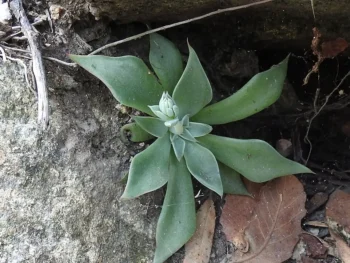
Patagonia Mountain Leatherpetal: A Rare Arizona Native Worth Growing Responsibly
Meet the Patagonia Mountain leatherpetal (Graptopetalum bartramii), a charming little succulent that’s as rare as it is beautiful. This Arizona native might not be on every gardener’s radar, but it absolutely should be – especially if you’re passionate about supporting local ecosystems and growing truly unique plants.
What Makes This Plant Special?
The Patagonia Mountain leatherpetal is a perennial succulent that forms neat little rosettes of thick, fleshy leaves. Despite being classified as a forb (a non-woody plant), it has all the drought-busting superpowers you’d expect from a desert dweller. The plant produces delicate, star-shaped flowers that add a surprising pop of color to its otherwise modest appearance.
You might occasionally see this plant listed under its synonym, Echeveria bartramii, but don’t let the name confusion fool you – we’re talking about the same wonderful Arizona native.
Where Does It Come From?
This little gem is endemic to Arizona, where it makes its home in the rugged Patagonia Mountains region. It’s a true southwestern native that has adapted perfectly to the challenging desert conditions of its homeland.
- Species observed
- No observations
The Conservation Reality Check
Here’s where things get serious: the Patagonia Mountain leatherpetal has a Global Conservation Status of S3, meaning it’s considered vulnerable. With only an estimated 21 to 100 occurrences in the wild and between 3,000 to 10,000 individual plants total, this species is genuinely rare.
What this means for gardeners: If you want to grow this beauty, please make sure you source it responsibly. Never collect from wild populations, and only purchase from reputable nurseries that propagate their plants ethically. By growing this species in cultivation, you’re actually helping ensure its survival!
Why Grow Patagonia Mountain Leatherpetal?
Despite its rarity (or perhaps because of it), there are compelling reasons to include this plant in your garden:
- Native credentials: It’s a true Arizona native, making it perfectly adapted to local conditions
- Water-wise wonder: Extremely drought-tolerant once established
- Unique beauty: Distinctive rosette form and charming flowers
- Pollinator support: Its flowers attract native bees and other small pollinators
- Conservation contribution: Growing it helps preserve genetic diversity
Perfect Garden Situations
The Patagonia Mountain leatherpetal shines in:
- Rock gardens and xerophytic landscapes
- Desert-themed garden designs
- Container gardens (perfect for showing off those neat rosettes)
- Drought-tolerant mixed plantings
- Native plant gardens focused on Arizona species
Growing Conditions and Care
This plant is happiest when you mimic its natural desert habitat:
- Sunlight: Full sun to partial shade
- Soil: Well-draining is absolutely essential – think rocky, sandy, or amended with plenty of perlite
- Water: Minimal once established; water deeply but infrequently
- Climate: Best suited for USDA hardiness zones 9-11
- Frost protection: May need protection during cold snaps in borderline zones
Planting and Care Tips
Success with Patagonia Mountain leatherpetal comes down to respecting its desert origins:
- Plant in spring or fall when temperatures are moderate
- Ensure drainage is perfect – this plant will not forgive soggy soil
- Start with light watering until established, then reduce frequency
- Provide some afternoon shade in extremely hot climates
- Avoid overfeeding; these plants prefer lean conditions
The Bottom Line
The Patagonia Mountain leatherpetal is a special plant that deserves a place in southwestern gardens, but only when grown responsibly. Its rarity makes it both precious and important to conserve. If you can source it ethically and provide the right growing conditions, you’ll be rewarded with a unique native that supports local pollinators while adding authentic southwestern character to your landscape.
Remember: by choosing to grow rare natives like this one, you’re not just gardening – you’re participating in conservation. Just make sure you’re doing it the right way!