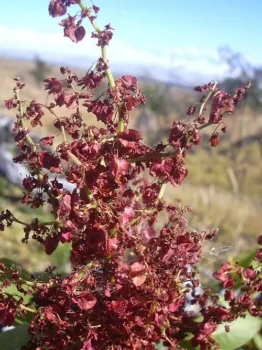
Pawale: Hawaii’s Rare Native Giant Dock Worth Protecting
Meet pawale (Rumex giganteus), a fascinating native Hawaiian plant that’s become something of a botanical mystery. This perennial herb belongs to the buckwheat family and represents one of Hawaii’s unique endemic species – but here’s the catch: it’s quite rare and needs our protection more than it needs a spot in your garden.
What Makes Pawale Special?
Pawale is what botanists call a forb herb – essentially a non-woody plant that lacks the thick, sturdy stems of shrubs and trees. Instead, it’s got a more delicate structure with its growing points (those crucial renewal buds) tucked safely at or below ground level. This survival strategy helps it bounce back year after year, which is pretty clever for a Hawaiian native that’s adapted to island life.
Where Does Pawale Call Home?
This plant is a true Hawaiian endemic, meaning it naturally occurs nowhere else on Earth except the Hawaiian Islands. You won’t find pawale growing wild in California, Florida, or anywhere else – it’s exclusively Hawaiian through and through.
- Species observed
- No observations
The Conservation Reality Check
Here’s where things get serious. Pawale has a Global Conservation Status of S2S3, which puts it in a concerning category. While the exact definition might be undefined in technical terms, this rating indicates the species faces real conservation challenges. For responsible gardeners, this means pawale isn’t really a casual let’s try this in the backyard kind of plant.
Should You Grow Pawale?
The short answer is: probably not, unless you’re working with conservation professionals. Here’s why:
- Rarity concerns: With its vulnerable conservation status, pawale needs protection in its natural habitat more than cultivation in home gardens
- Limited availability: You’re unlikely to find this plant at your local nursery, and that’s actually a good thing
- Specialized needs: As a Hawaiian endemic, it likely has very specific growing requirements that are difficult to replicate
If you’re absolutely committed to growing pawale, only source it through reputable conservation organizations or botanical institutions that work with responsibly propagated material. Never collect plants from wild populations.
Growing Conditions and Care
Based on its wetland status as Facultative Upland, pawale typically prefers non-wetland conditions but can tolerate some moisture. This suggests it’s adapted to Hawaii’s diverse microclimates and might be somewhat flexible in its water requirements.
Unfortunately, specific details about soil preferences, light requirements, and care instructions aren’t well-documented for this species – another indication that it’s not commonly cultivated and requires specialized knowledge to grow successfully.
Better Alternatives for Your Hawaiian Garden
Instead of potentially impacting wild pawale populations, consider these more common Hawaiian natives that are better suited for home cultivation:
- Native Hawaiian grasses and sedges
- Common native shrubs available through local nurseries
- Well-established native groundcovers
Your local native plant society or botanical garden can provide excellent recommendations for Hawaiian natives that are both garden-appropriate and conservation-friendly.
Supporting Conservation Instead
The best way to help pawale isn’t necessarily growing it yourself, but supporting habitat conservation efforts in Hawaii. Consider donating to local conservation organizations, participating in native habitat restoration projects, or simply spreading awareness about Hawaii’s unique endemic species.
Sometimes the most responsible thing we can do as gardeners is admire a plant from afar and focus our growing efforts on species that are both ecologically appropriate and conservation-positive. Pawale definitely falls into the appreciate but don’t cultivate category for most of us.