Pawpaw: North America’s Forgotten Tropical Treasure
Meet the pawpaw (Asimina triloba), North America’s largest native fruit and perhaps one of our continent’s best-kept gardening secrets. This delightful tree brings a touch of the tropics to temperate gardens while supporting native wildlife in ways that will surprise you. If you’re looking to add something truly special to your landscape, the pawpaw deserves serious consideration.
What Makes Pawpaw Special
Don’t let the name fool you – this isn’t the papaya you might find in the grocery store. The pawpaw is a completely different plant that’s 100% North American. This perennial tree grows as a multi-stemmed woody plant, typically reaching 25 feet in height at maturity, though it usually stays smaller in most garden settings.
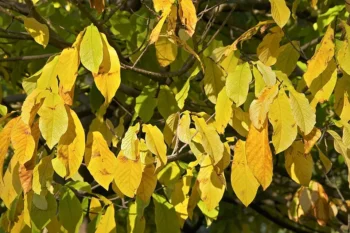
The pawpaw’s claim to fame extends far beyond its delicious, custard-like fruits. Its large, tropical-looking dark green leaves create a lush canopy that turns brilliant yellow in fall, making it a four-season performer in the landscape.
Where Pawpaws Call Home
Pawpaws are native to a surprisingly large swath of North America, naturally occurring from southern Ontario down to northern Florida and stretching west to Nebraska and eastern Texas. You’ll find them growing wild in states including Alabama, Arkansas, Connecticut, Delaware, Florida, Georgia, Illinois, Indiana, Iowa, Kansas, Kentucky, Louisiana, Maryland, Michigan, Mississippi, Missouri, Nebraska, New Jersey, New York, North Carolina, Ohio, Oklahoma, Pennsylvania, South Carolina, Tennessee, Texas, Virginia, West Virginia, and Wisconsin.
- Species observed
- No observations
Important note for New Jersey gardeners: Pawpaw is listed as endangered in New Jersey with a rarity status of S2. If you’re in the Garden State and want to grow pawpaws, please source your plants responsibly from reputable nurseries rather than collecting from wild populations.
Garden Design Possibilities
Pawpaws shine in several landscape roles:
- Woodland gardens: Perfect understory trees that thrive in partial shade
- Naturalistic landscapes: Creates authentic native plant communities
- Edible landscaping: Provides delicious fruits while looking ornamental
- Specimen planting: Unique enough to stand alone as a conversation starter
The pawpaw works beautifully in gardens that embrace a more natural, less formal aesthetic. Its coarse-textured foliage provides excellent contrast to finer-leaved plants, and its moderate summer porosity allows dappled light to filter through to understory plantings.
Wildlife and Pollinator Benefits
Here’s where pawpaws really shine in the ecosystem department. The tree has a fascinating relationship with the zebra swallowtail butterfly – it’s the only plant their caterpillars can eat! By planting pawpaws, you’re directly supporting this beautiful native butterfly species.
The burgundy-purple flowers, while not particularly showy, attract flies and beetles for pollination. The fruits, when they ripen, provide food for wildlife including opossums, raccoons, and various bird species.
Growing Conditions: What Pawpaws Want
Pawpaws are surprisingly adaptable but do have some specific preferences:
- Soil: Thrives in coarse to medium-textured, well-draining soils with high fertility requirements
- pH: Prefers slightly acidic to neutral conditions (4.7-7.2)
- Moisture: Medium water needs – can handle some wetland conditions but also tolerates upland sites
- Light: Shade tolerant, making it perfect for woodland settings
- Climate: Hardy in USDA zones 5-8, requiring at least 160 frost-free days
The pawpaw has low drought tolerance, so consistent moisture is important, especially during establishment. It’s also worth noting that this tree has a high carbon-to-nitrogen ratio and benefits from rich, organic soil.
Planting and Care Tips
Getting pawpaws established requires a bit of patience, but the reward is worth it:
- Seed starting: Seeds require cold stratification, so fall planting works well for natural stratification over winter
- Transplanting: Available as bare-root or container plants – both work well
- Spacing: Plant multiple trees for cross-pollination and better fruit production
- Growth rate: Be patient – pawpaws grow slowly, especially when young
- Root depth: Needs at least 20 inches of root space, so avoid shallow soils
Young pawpaw trees benefit from protection from strong winds and may need some supplemental watering during dry spells. They have good resprout ability, so don’t panic if your tree gets damaged – it may surprise you by bouncing back.
The Bottom Line: Should You Plant Pawpaw?
If you’re drawn to native plants that offer multiple benefits – wildlife habitat, unique fruits, and distinctive beauty – pawpaw is an excellent choice. This tree brings authenticity to American gardens while supporting native ecosystems in meaningful ways.
Just remember that pawpaws require patience. With their slow growth rate and need for cross-pollination for fruit production, they’re not for gardeners seeking instant gratification. However, if you can wait, pawpaws reward patience with decades of beauty, wildlife support, and potentially delicious harvests.
For gardeners in regions where pawpaw is rare or endangered, growing this species represents a small but important contribution to conservation – just be sure to source your plants responsibly from established nurseries rather than wild collection.