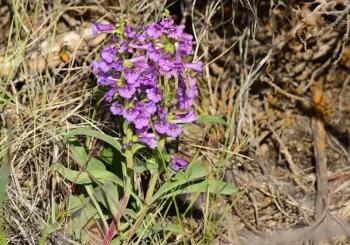
Payson’s Beardtongue: A Rare Wyoming Treasure for Your Native Garden
Meet Payson’s beardtongue (Penstemon paysoniorum), one of Wyoming’s most exclusive native wildflowers. This rare perennial herb is like finding a hidden gem in the world of native gardening – beautiful, unique, and definitely worth the extra effort to grow responsibly.
What Makes Payson’s Beardtongue Special?
This herbaceous perennial belongs to the beloved penstemon family, known for their stunning tubular flowers that seem perfectly designed to attract hummingbirds. As a forb (that’s garden-speak for a non-woody flowering plant), Payson’s beardtongue dies back to the ground each winter and returns with fresh growth in spring.
What sets this particular penstemon apart is its extremely limited range – it’s found only in Wyoming, making it a true regional specialty. Think of it as the botanical equivalent of a local artisan product!
Where Does It Call Home?
Payson’s beardtongue is native exclusively to Wyoming, where it has adapted to the state’s unique high-altitude conditions and challenging climate. This makes it an excellent choice for gardeners in similar environments who want to grow truly local native plants.
- Species observed
- No observations
A Word About Rarity
Here’s something important to know: Payson’s beardtongue has a Global Conservation Status of S3, which means it’s considered vulnerable. With only 21 to 100 known occurrences and an estimated 3,000 to 10,000 individuals in the wild, this plant needs our help to survive.
If you’re interested in growing this rare beauty, please only obtain plants or seeds from reputable native plant nurseries that use responsibly sourced, ethically collected material. Never collect from wild populations – every plant counts when numbers are this low!
Garden Design and Landscape Role
Payson’s beardtongue works wonderfully in:
- Native plant gardens focused on regional specialties
- Rock gardens and xeriscapes
- Conservation collections
- Pollinator gardens in appropriate climates
- Educational landscapes showcasing rare plants
This isn’t a plant for mass plantings or casual gardening – it’s more like adopting a special-needs pet that requires thoughtful care and attention.
Growing Conditions and Care
Like most Wyoming natives, Payson’s beardtongue is tough as nails once established. Here’s what it typically needs:
- Sunlight: Full sun to partial shade
- Soil: Well-draining soil is absolutely crucial – soggy conditions will kill it
- Water: Drought tolerant once established; avoid overwatering
- Climate: Hardy in USDA zones 3-7, perfect for high-altitude and northern gardens
Planting and Care Tips
Growing Payson’s beardtongue successfully is all about mimicking its native Wyoming habitat:
- Plant in spring after the last frost
- Ensure excellent drainage – add gravel or sand to heavy soils
- Water regularly the first year, then back off significantly
- Avoid fertilizers – this plant prefers lean conditions
- Mulch lightly with gravel rather than organic mulch
- Be patient – it may take 2-3 years to become fully established
Wildlife and Pollinator Benefits
True to its penstemon heritage, Payson’s beardtongue is a pollinator magnet. The tubular flowers are perfectly shaped for hummingbirds, while native bees and butterflies also visit for nectar. By growing this rare plant, you’re not just adding beauty to your garden – you’re providing crucial habitat for pollinators in regions where this plant naturally occurs.
Is Payson’s Beardtongue Right for Your Garden?
This plant is perfect for you if:
- You live in Wyoming or similar high-altitude, arid conditions
- You’re passionate about rare plant conservation
- You enjoy the challenge of growing specialty natives
- You want a unique conversation starter in your garden
- You’re committed to responsible sourcing
However, it might not be the best choice if you’re looking for a low-maintenance, widely available plant or if you live in humid, warm climates where it won’t thrive.
The Bottom Line
Payson’s beardtongue represents something special in the native plant world – a chance to grow a truly rare treasure while contributing to conservation efforts. Yes, it requires more thoughtfulness than your average garden center perennial, but the reward of successfully growing this Wyoming endemic makes it worth the effort.
Remember, every garden that successfully grows rare natives like Payson’s beardtongue becomes a small but important refuge. In a world where habitat loss threatens so many species, your garden can make a real difference – one rare penstemon at a time.