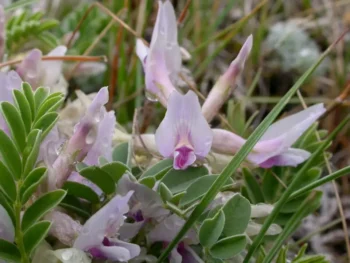
Payson’s Milkvetch: A Rare Native Gem Worth Protecting in Your Garden
If you’re passionate about native plants and conservation, Payson’s milkvetch might just be the perfect addition to your garden—with an important caveat. This charming perennial legume is one of those special plants that makes you feel like you’re doing something meaningful for the environment, but it comes with responsibilities that every conscientious gardener should understand.
What Makes Payson’s Milkvetch Special
Astragalus paysonii, commonly known as Payson’s milkvetch, is a native perennial that calls a very specific corner of the American West home. This isn’t your run-of-the-mill garden plant—it’s a rare species that has earned a Global Conservation Status of S3, meaning it’s considered vulnerable throughout its range. In plain terms, this little plant is hanging on in the wild, typically found in only 21 to 100 locations with somewhere between 3,000 and 10,000 individual plants total.
Where Does It Call Home?
Payson’s milkvetch has a pretty exclusive address—you’ll find it naturally growing only in southeastern Idaho and southwestern Wyoming. This limited geographical distribution is part of what makes it so special and, unfortunately, so vulnerable. The plant has adapted specifically to the unique conditions of this high desert region.
- Species observed
- No observations
Why Consider Growing This Rare Beauty?
Here’s where things get interesting. While most gardening advice focuses on easy-to-grow, readily available plants, there’s something deeply satisfying about nurturing a rare native species in your own backyard. Here’s why you might want to consider it:
- Conservation impact: Growing rare natives helps preserve genetic diversity and supports local ecosystems
- Pollinator magnet: The small white to cream-colored flowers are perfectly designed to attract native bees and other small pollinators
- Low maintenance: Once established, this drought-tolerant perennial requires minimal care
- Unique garden feature: You’ll have a conversation starter that few other gardeners can claim
- Educational value: Great for teaching family and friends about plant conservation
The Important Caveat: Source Responsibly
Before you get too excited, here’s the crucial part: if you decide to grow Payson’s milkvetch, you absolutely must source it responsibly. This means purchasing seeds or plants only from reputable native plant nurseries that can guarantee their stock wasn’t collected from wild populations. Wild collection could further threaten this already vulnerable species.
Look for nurseries that propagate their own plants from legally obtained seed or work with conservation organizations. When in doubt, ask detailed questions about the source of their plants.
Creating the Right Growing Conditions
Payson’s milkvetch isn’t a fussy plant, but it does have specific needs that reflect its high desert origins:
- Sunlight: Full sun is essential—this plant evolved in open, sunny locations
- Soil: Well-drained soil is non-negotiable; soggy conditions will quickly kill this desert native
- Water: Drought-tolerant once established, but benefits from occasional deep watering during extreme dry spells
- Climate: Hardy in USDA zones 4-7, matching its native range’s climate conditions
Perfect Garden Companions and Design Ideas
This milkvetch shines in native plant gardens, rock gardens, and xeriscaped landscapes. It pairs beautifully with other high desert natives like:
- Native bunch grasses
- Penstemon species
- Native sagebrush varieties
- Other drought-tolerant wildflowers from the region
The plant’s relatively small stature and delicate flowers make it perfect for front borders or as an understory plant in naturalized settings.
Planting and Care Tips
Getting Payson’s milkvetch established requires patience and attention to detail:
- Timing: Plant in early spring or fall when temperatures are moderate
- Soil preparation: Ensure excellent drainage by amending heavy soils with sand or gravel
- Watering: Water regularly the first year to establish roots, then reduce to occasional deep watering
- Maintenance: Minimal pruning needed; allow natural die-back in fall
Supporting Wildlife and Pollinators
One of the best reasons to grow Payson’s milkvetch is its value to wildlife. The flowers provide nectar for native bees, butterflies, and other beneficial insects. As a member of the legume family, it also helps improve soil by fixing nitrogen, benefiting neighboring plants.
The Bottom Line: Is It Right for Your Garden?
Payson’s milkvetch is definitely not for every gardener or every garden. It’s best suited for those who:
- Are passionate about native plants and conservation
- Have appropriate growing conditions (dry, sunny locations)
- Are willing to source plants responsibly
- Want to support rare species preservation
- Appreciate subtle beauty over flashy displays
If you check these boxes and can commit to responsible sourcing, growing Payson’s milkvetch can be a rewarding way to contribute to plant conservation while creating a unique, low-maintenance garden feature. Just remember—with rare plants comes great responsibility, and every plant we grow mindfully is a small victory for biodiversity.