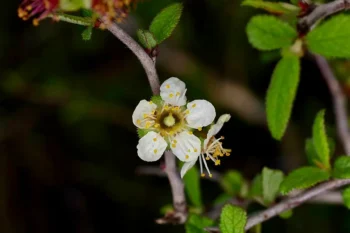
Peachbush: A Rare Texas Treasure Worth Growing Responsibly
Meet the peachbush (Prunus texana), a charming native shrub that’s as rare as it is beautiful. This little-known member of the cherry family is a true Texas original, and while it might not be on every gardener’s radar, it definitely deserves a spot in the right landscape – if you can find it responsibly sourced, that is.
A True Texas Native
Peachbush is a perennial shrub that calls only Texas home, making it a genuine endemic species. This multi-stemmed woody plant typically stays under 13-16 feet tall, with several stems arising from near the ground. It’s the kind of understated native that quietly does its job in the landscape while providing authentic regional character that you simply can’t get from non-native alternatives.
Currently, peachbush is found exclusively in Texas, where it has adapted to the unique conditions of the Lone Star State. This limited distribution makes it a special addition to any Texas native garden.
- Species observed
- No observations
Why You Should (Carefully) Consider Peachbush
Important Conservation Note: Before we dive into the wonderful qualities of peachbush, there’s something crucial you need to know. This species has a Global Conservation Status of S3, meaning it’s considered vulnerable. With only an estimated 21-100 occurrences and between 3,000-10,000 individuals remaining, this is not your everyday garden shrub. If you decide to grow peachbush, please ensure you source it from reputable native plant nurseries that propagate their stock responsibly – never collect from wild populations.
That said, here’s why peachbush might be perfect for your Texas landscape:
- Authentic regional character: Nothing says Texas native garden quite like a plant that grows nowhere else on Earth
- Spring beauty: Delicate white to pink flowers appear in spring, creating a lovely display
- Wildlife value: The flowers attract pollinators, while the small fruits provide food for birds and other wildlife
- Low maintenance: Once established, it’s quite drought tolerant and requires minimal care
- Conservation contribution: By growing responsibly sourced peachbush, you’re helping preserve this rare species
Where Peachbush Shines in Your Landscape
Peachbush works beautifully as an understory shrub in naturalized areas or native plant gardens. Its modest size and unassuming nature make it perfect for:
- Native Texas landscapes and xeriscapes
- Wildlife gardens focused on supporting local ecosystems
- Erosion control on slopes or banks
- Mixed shrub borders with other Texas natives
- Conservation gardens dedicated to rare plants
Growing Conditions and Care
The good news is that peachbush isn’t particularly fussy – it’s adapted to Texas conditions, after all. Here’s what it prefers:
- Sunlight: Full sun to partial shade
- Soil: Well-drained soils (avoid waterlogged conditions)
- Water: Drought tolerant once established, but appreciates occasional deep watering during extreme drought
- USDA Hardiness Zones: 8-9 (perfect for most of Texas)
Planting and Care Tips
If you’re fortunate enough to find responsibly sourced peachbush plants, here’s how to give them the best start:
- Planting time: Fall is ideal, giving roots time to establish before summer heat
- Spacing: Allow room for the shrub to reach its mature size of 4-5 feet in most conditions
- Initial care: Water regularly the first year to help establish deep roots
- Ongoing maintenance: Very low maintenance once established – prune lightly after flowering if needed
- Fertilizer: Generally unnecessary; native plants prefer lean soils
The Bottom Line
Peachbush represents something special in the gardening world – a chance to grow a piece of Texas that exists nowhere else on Earth. While its rarity means you’ll need to be thoughtful about sourcing, successfully growing this vulnerable species in your landscape is both a privilege and a conservation effort.
If you can’t find responsibly sourced peachbush, consider other native Texas Prunus species or similar native shrubs that can provide comparable ecological benefits without the conservation concerns. But if you do have the opportunity to grow authentic peachbush from ethically propagated stock, you’ll be adding something truly unique to your Texas landscape while helping ensure this rare treasure survives for future generations.