Pecho Manzanita: A Rare California Gem Worth Protecting
Meet the Pecho manzanita (Arctostaphylos pechoensis), one of California’s most precious and endangered native shrubs. This little-known beauty might just be the perfect addition to your water-wise garden—if you can find it responsibly sourced, that is.
What Makes Pecho Manzanita Special?
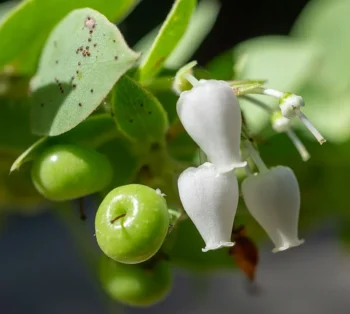
The Pecho manzanita is a perennial, multi-stemmed woody shrub that typically grows less than 13-16 feet tall, though most specimens stay much smaller. Like other manzanitas, it’s an evergreen that brings year-round structure to your landscape with its distinctive reddish bark, small leathery leaves, and charming clusters of white to pink urn-shaped flowers that bloom in winter and spring.
Where Does It Come From?
This manzanita is what botanists call endemic—meaning it exists nowhere else on Earth except for a tiny area in San Luis Obispo County, California, specifically around the Pecho area near Morro Bay. Talk about exclusive!
- Species observed
- No observations
The Rarity Reality Check
Here’s where things get serious: Pecho manzanita has a Global Conservation Status of S2, which means it’s imperiled. With typically only 6 to 20 occurrences and between 1,000 to 3,000 remaining individuals in the wild, this plant is hanging on by a thread. If you’re considering adding this beauty to your garden, please only purchase from reputable nurseries that propagate from legally and ethically obtained seeds or cuttings.
Why Gardeners Love Manzanitas (And Why You Might Too)
If you can source it responsibly, Pecho manzanita offers several compelling benefits:
- Drought tolerance: Once established, it thrives with minimal water—perfect for California’s challenging climate
- Pollinator magnet: The flowers provide crucial nectar for native bees, butterflies, and hummingbirds
- Year-round beauty: Evergreen foliage, attractive bark, seasonal flowers, and small berries keep it interesting
- Low maintenance: These shrubs are built to handle tough conditions with minimal fuss
Perfect Garden Settings
Pecho manzanita shines in:
- Native California plant gardens
- Mediterranean climate landscapes
- Water-wise and drought-tolerant designs
- Coastal gardens (it loves that ocean influence!)
- Slopes where erosion control is needed
Growing Conditions and Care
This manzanita is surprisingly adaptable but has some specific preferences:
Sunlight: Full sun to partial shade
Soil: Well-draining is absolutely essential—sandy or rocky soils are ideal
Water: Drought-tolerant once established, but avoid summer water near the base
Climate: USDA zones 8-10, loves coastal conditions
Planting and Care Tips
Want to give your Pecho manzanita the best start? Here’s your game plan:
- Plant in fall: This gives it time to establish roots before summer heat
- First-year watering: Keep it consistently moist (but not soggy) the first year
- Reduce watering: After establishment, cut back significantly—overwatering kills manzanitas
- Pruning: Light pruning after flowering if needed, but these shrubs prefer to keep their natural shape
- Mulch carefully: Keep mulch away from the base to prevent crown rot
The Conservation Connection
By growing Pecho manzanita in your garden (with responsibly sourced plants), you’re not just adding beauty—you’re participating in conservation. Every garden that successfully grows this rare species serves as a genetic backup and helps ensure its survival for future generations.
Just remember: this isn’t a plant to impulse-buy. Make sure you’re purchasing from ethical sources, and consider it an honor to help preserve one of California’s most endangered native beauties. Your garden could become a small but important sanctuary for this remarkable species.