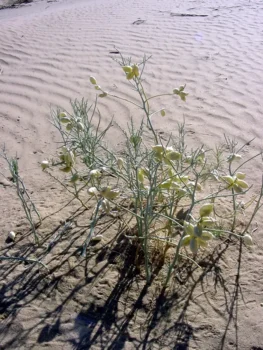
Peirson’s Milkvetch: A Rare Desert Gem Worth Protecting
Meet Peirson’s milkvetch (Astragalus magdalenae var. peirsonii), a fascinating little perennial that’s as rare as it is remarkable. This unassuming desert dweller might not be the showiest plant in the garden center, but it plays a crucial role in some of North America’s most challenging ecosystems.
What Makes Peirson’s Milkvetch Special?
Peirson’s milkvetch is a native perennial that calls the harsh Sonoran Desert home. You might also see it referenced by its synonym, Astragalus peirsonii, in older botanical references. This tough little survivor has adapted to thrive where most plants would simply give up and call it quits.
The plant produces delicate purple to pink pea-like flowers that create a lovely contrast against its silvery-green compound leaves. While it may be small in stature, its ecological importance is enormous in the desert communities where it naturally occurs.
Where Does It Grow?
This specialized plant has a very limited native range, found only in specific desert regions of Arizona and California. It’s perfectly adapted to the extreme conditions of the Sonoran Desert, where temperatures soar and rainfall is scarce.
- Species observed
- No observations
Important Conservation Alert
Here’s something every gardener needs to know: Peirson’s milkvetch is listed as Threatened in the United States. This means the species is at risk and requires our protection. While we absolutely encourage supporting native plants, this particular beauty comes with special responsibilities.
If you’re interested in growing Peirson’s milkvetch, please ensure you source it only from reputable native plant nurseries that use responsibly collected seeds or ethically propagated plants. Never collect from wild populations – this could further threaten an already vulnerable species.
Garden Role and Landscape Use
Let’s be honest – Peirson’s milkvetch isn’t your typical backyard garden plant. This is a highly specialized species that’s best suited for:
- Desert conservation gardens
- Botanical collections focused on rare native species
- Educational landscapes highlighting threatened plants
- Restoration projects in its native habitat
Growing Conditions and Care
If you’re up for the challenge of growing this rare gem, be prepared for some seriously demanding requirements. Peirson’s milkvetch thrives in USDA hardiness zones 9-11, but only in very specific desert conditions.
This plant demands:
- Extremely well-draining, sandy or rocky soils
- Full sun exposure
- Very little water – it’s adapted to desert rainfall patterns
- Hot, arid conditions
- Protection from humidity and excessive moisture
Fair warning: even experienced desert gardeners find this species challenging to cultivate outside its natural habitat. It’s not a plant for beginners or for gardens in non-desert climates.
Pollinator and Wildlife Benefits
Despite its rarity, Peirson’s milkvetch plays an important role in supporting desert pollinators. The flowers attract native bees and other specialized desert insects that have co-evolved with this plant community. By supporting this species, you’re helping maintain the intricate web of desert life.
Should You Plant It?
The answer depends on your goals and location. If you’re in the appropriate desert regions and passionate about conservation, growing Peirson’s milkvetch with responsibly sourced plants can be a meaningful way to support a threatened species. However, for most gardeners, supporting other native plants that aren’t threatened might be a more practical choice.
Consider this plant if you’re involved in conservation efforts, have experience with challenging desert species, and can source it ethically. Remember, every plant we grow helps preserve genetic diversity and supports the future of this remarkable species.
Peirson’s milkvetch reminds us that not every native plant is meant for every garden – and that’s perfectly okay. Sometimes the best way to appreciate a rare species is to support its conservation and admire it in its natural habitat where it belongs.