Pele Clermontia: A Rare Hawaiian Native Worth Protecting in Your Garden
Meet the pele clermontia (Clermontia peleana), one of Hawaii’s most precious native plants that deserves a spot in every conservation-minded gardener’s heart. This remarkable shrub isn’t just another pretty face in the garden world – it’s a living piece of Hawaiian natural heritage that needs our help to survive.
What Makes Pele Clermontia Special?
The pele clermontia is a native Hawaiian perennial shrub that typically grows as a multi-stemmed woody plant, usually staying under 13-16 feet tall. What sets this beauty apart are its stunning tubular flowers that bloom in elegant clusters, displaying white to pale yellow petals that seem to glow against the plant’s distinctive lobed foliage.
But here’s where things get serious: this plant is critically endangered. With a Global Conservation Status of S1 (Critically Imperiled) and listed as Endangered in the United States, there are typically fewer than 1,000 individuals remaining in the wild. That’s not just rare – that’s we need to act now rare.
Where Does It Call Home?
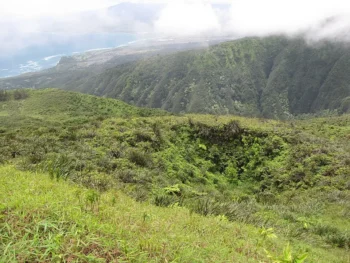
Clermontia peleana is endemic to Hawaii, meaning you won’t find it naturally growing anywhere else on Earth. This island beauty thrives on volcanic slopes and in the dappled light of native Hawaiian forests, where it has evolved alongside other unique island species for thousands of years.
- Species observed
- No observations
Why Should You Consider Growing It?
If you’re passionate about conservation gardening and live in a suitable climate, growing pele clermontia can be incredibly rewarding – but it comes with serious responsibility. Here’s what makes it worthwhile:
- You’ll be participating in conservation efforts for one of Hawaii’s most endangered plants
- The unique tubular flowers create stunning visual interest and were historically important for native Hawaiian honeycreeper birds
- It’s perfect for native Hawaiian gardens and adds authentic island character
- You’ll be preserving a piece of natural Hawaiian heritage
The Reality Check: This Isn’t Your Average Garden Plant
Before you get too excited, let’s talk about the challenges. Pele clermontia is not a beginner-friendly plant, and it’s definitely not available at your local garden center. This is a plant for serious conservation gardeners who understand the commitment involved.
Critical requirement: If you’re considering growing this plant, you absolutely must source it responsibly. Never collect from wild populations – this could push the species closer to extinction. Only work with reputable botanical gardens, conservation organizations, or certified native plant nurseries that have ethically propagated specimens.
Growing Conditions and Care
Pele clermontia is quite particular about its living conditions, which makes sense given its specialized native habitat:
- Climate: USDA zones 10-12 only – this is strictly a tropical plant
- Light: Partial shade to filtered light (think forest understory conditions)
- Soil: Well-draining volcanic or volcanic-type soil that mimics its native habitat
- Water: Consistent moisture without waterlogging – it likes to stay hydrated but not soggy
- Protection: Shelter from strong winds and harsh direct sunlight
Best Garden Settings
This isn’t a plant for every garden, but it shines in specific settings:
- Native Hawaiian gardens and landscapes
- Conservation-focused botanical collections
- Shade gardens in tropical climates
- Educational gardens that showcase rare native species
The Conservation Connection
One of the most fascinating aspects of pele clermontia is its relationship with Hawaii’s native wildlife. Those beautiful tubular flowers evolved to be pollinated by Hawaiian honeycreeper birds – many of which are now extinct or critically endangered themselves. By growing this plant, you’re preserving not just a species, but an entire ecological relationship.
The Bottom Line
Pele clermontia represents both the beauty and fragility of Hawaii’s native ecosystems. While it’s not a plant for casual gardeners, those committed to conservation and blessed with the right growing conditions can play a vital role in preserving this botanical treasure.
If you’re seriously considering adding this rare beauty to your garden, start by connecting with Hawaiian native plant societies, botanical gardens, or conservation organizations. They can guide you toward ethical sources and provide the specialized knowledge you’ll need to give this endangered species the care it deserves.
Remember: with great plants comes great responsibility – especially when that plant is fighting for survival in the wild.