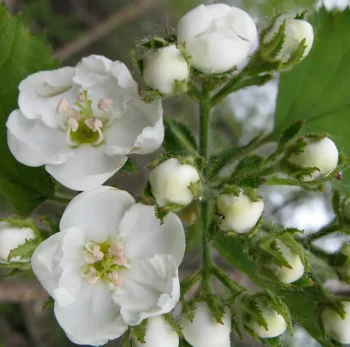
Pennsylvania Hawthorn: A Rare Native Gem for Your Garden
If you’re looking to add a touch of wild beauty to your landscape while supporting local wildlife, Pennsylvania hawthorn (Crataegus pennsylvanica) might just be the hidden treasure you’ve been searching for. This charming native shrub brings both ecological value and seasonal interest to gardens across the Northeast, though finding one might require a bit more effort than your typical nursery run.
What Is Pennsylvania Hawthorn?
Pennsylvania hawthorn is a perennial shrub native to the lower 48 states, specifically thriving in a handful of northeastern regions. As a member of the rose family, this multi-stemmed woody plant typically grows less than 13-16 feet tall, making it perfect for understory plantings and naturalized areas. Don’t let the Pennsylvania in its name fool you—this adaptable shrub also calls Delaware, Maryland, New Jersey, New York, Ohio, and West Virginia home.
You might also see this plant listed under its botanical synonym, Crataegus tatnalliana, in older gardening references or plant databases.
Where Does It Grow?
Pennsylvania hawthorn grows naturally across seven northeastern states: Delaware, Maryland, New Jersey, New York, Ohio, Pennsylvania, and West Virginia. This regional native has adapted perfectly to the climate and growing conditions of the mid-Atlantic and northeastern United States.
- Species observed
- No observations
A Word About Rarity
Here’s something important to know: Pennsylvania hawthorn is considered rare in parts of its range, with a global conservation status of S3Q and listed as S1.1 (critically imperiled) in New Jersey. This means if you’re lucky enough to find this species available, make sure you’re purchasing from reputable nurseries that source their plants responsibly—never collect from wild populations.
Why Plant Pennsylvania Hawthorn?
There are several compelling reasons to consider this native shrub for your landscape:
- Native heritage: As a true regional native, it’s perfectly adapted to local growing conditions and supports local ecosystems
- Seasonal beauty: Offers delicate white flowers in spring followed by colorful berries in fall
- Wildlife magnet: The flowers attract pollinators like bees and butterflies, while birds enjoy the berries
- Low maintenance: Once established, native plants typically require less water and care than non-native alternatives
- Authentic landscaping: Helps create truly regional garden designs that reflect local natural areas
Garden Design and Landscape Role
Pennsylvania hawthorn works beautifully as an understory shrub in woodland gardens or naturalized landscapes. Its moderate size makes it perfect for:
- Native plant gardens focused on regional species
- Wildlife gardens designed to support local fauna
- Woodland edges and naturalized areas
- Mixed shrub borders with other native plants
The thorny branches add winter interest and provide excellent nesting sites for birds, making it a functional as well as beautiful addition to wildlife-friendly landscapes.
Growing Conditions and Care
Like many hawthorns, Pennsylvania hawthorn is quite adaptable once established. Here’s what it prefers:
- Sunlight: Partial shade to full sun
- Soil: Adaptable to various soil types, though well-draining soil is always appreciated
- Hardiness: Thrives in USDA zones 4-8
- Water: Moderate moisture needs; drought tolerant once established
Planting and Care Tips
Getting your Pennsylvania hawthorn off to a good start is key to long-term success:
- Timing: Plant in spring or early fall when temperatures are moderate
- Spacing: Allow plenty of room for the shrub to reach its mature size
- Watering: Keep soil consistently moist during the first growing season
- Pruning: Minimal pruning needed, but wear thick gloves due to thorns
- Mulching: Apply organic mulch around the base to retain moisture and suppress weeds
Pollinator and Wildlife Benefits
One of the best reasons to grow Pennsylvania hawthorn is its value to local wildlife. The spring flowers provide nectar for various pollinators, including native bees and butterflies. Come fall, the berries offer food for birds, while the thorny structure provides safe nesting sites and winter shelter.
The Bottom Line
Pennsylvania hawthorn represents the best of native gardening—a regionally appropriate plant that supports local ecosystems while adding genuine beauty to your landscape. While its rarity means you’ll need to source it carefully and responsibly, the effort is worthwhile for gardeners committed to authentic native landscaping.
If you can’t find Pennsylvania hawthorn from reputable sources, consider other native hawthorn species appropriate to your region. The key is choosing plants that naturally belong in your local ecosystem, creating gardens that are both beautiful and ecologically meaningful.