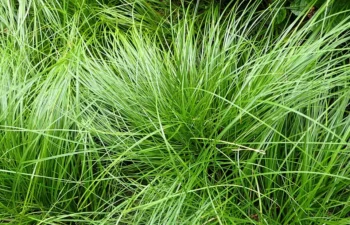
Pennsylvania Sedge: The Perfect Native Groundcover for Shady Spots
If you’re tired of battling bare patches under trees or struggling to find the perfect low-maintenance groundcover for your shade garden, let me introduce you to one of nature’s most reliable carpet-makers: Pennsylvania sedge (Carex pensylvanica). This humble native sedge might not win any flashy flower contests, but it’s the dependable friend every gardener needs in their plant palette.
What Makes Pennsylvania Sedge Special?
Pennsylvania sedge is a perennial graminoid – that’s botanist-speak for a grass-like plant that belongs to the sedge family. Don’t worry if you can’t tell sedges from grasses at first glance; what matters is that this little powerhouse forms dense, attractive carpets that stay green much of the year and require virtually no fussing once established.
This native beauty has quite the family tree, with several botanical synonyms including Carex marginata and Carex stolonifera, but regardless of what name you know it by, its performance remains consistently impressive.
Where Pennsylvania Sedge Calls Home
As a true native of North America, Pennsylvania sedge has an impressive natural range spanning from southeastern Canada down through much of the eastern United States. You’ll find it naturally growing in states from Maine to Georgia, and as far west as North Dakota and Arkansas. This wide distribution means it’s already adapted to a variety of climates and conditions – a definite plus for gardeners!
- Species observed
- No observations
It’s worth noting that in Arkansas, Pennsylvania sedge has a rarity status of S3, meaning it’s somewhat uncommon in that state. If you’re gardening in Arkansas and want to include this species, make sure you source it from reputable native plant nurseries that propagate rather than wild-collect their stock.
Why Your Garden Will Love Pennsylvania Sedge
Here’s where Pennsylvania sedge really shines as a garden performer:
- Low-maintenance groundcover: Once established, it spreads naturally by underground stems (rhizomes) to form dense mats
- Shade tolerant: Thrives in partial to full shade where many other plants struggle
- Drought resilient: After the first year, it can handle dry spells like a champ
- Year-round interest: Stays semi-evergreen in milder climates, providing winter structure
- Wildlife friendly: Provides habitat and cover for small creatures and insects
Perfect Garden Roles
Pennsylvania sedge fits beautifully into several garden styles and situations:
- Woodland gardens: Mimics forest floor conditions naturally
- Shade gardens: Fills in gaps where sun-loving plants won’t grow
- Rain gardens: Tolerates both wet and dry conditions
- Erosion control: Those spreading roots help stabilize slopes
- Natural landscapes: Perfect for low-maintenance, eco-friendly designs
Growing Pennsylvania Sedge Successfully
The beauty of Pennsylvania sedge lies in its adaptability. This accommodating plant grows well in USDA hardiness zones 3-8, making it suitable for most temperate gardens.
Ideal Growing Conditions
- Light: Partial to full shade (can tolerate some morning sun)
- Soil: Adaptable to various soil types, from moist to moderately dry
- Moisture: Prefers consistent moisture but becomes quite drought tolerant once established
- pH: Tolerates a wide range of soil pH levels
Planting and Care Tips
Getting Pennsylvania sedge established in your garden is refreshingly straightforward:
- Plant in spring or fall: These seasons provide the best conditions for root establishment
- Space appropriately: Plant 12-18 inches apart if you want quicker coverage
- Water regularly the first year: Help plants establish strong root systems
- Mulch lightly: A thin layer of organic mulch helps retain moisture
- Be patient: It may take 2-3 years to form a dense carpet, but it’s worth the wait
Minimal Maintenance Required
Once established, Pennsylvania sedge is remarkably low-maintenance. You might want to trim back old foliage in late winter before new growth appears, but even this is optional. The plant will gradually spread to fill available space, but it’s not aggressively invasive – just persistent and reliable.
The Bottom Line
Pennsylvania sedge might not be the showiest plant in the garden center, but it’s one of the most valuable native plants you can add to your landscape. It solves common gardening problems (what to plant in shade, how to cover bare ground, how to reduce maintenance) while supporting local ecosystems. For gardeners who appreciate plants that work hard without demanding constant attention, Pennsylvania sedge is a true gem.
Whether you’re creating a woodland retreat, establishing a rain garden, or simply looking for a reliable groundcover that won’t quit, Pennsylvania sedge deserves a spot in your plant palette. Your shady spots will thank you, and so will the local wildlife that calls your garden home.