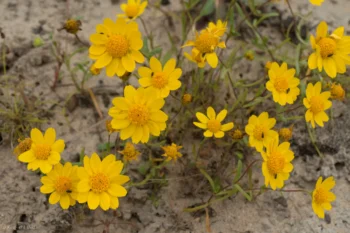
Perennial Goldfields: A Rare Native Gem for Conservation-Minded Gardeners
If you’re looking to add a touch of California’s wild beauty to your garden while supporting native plant conservation, perennial goldfields (Lasthenia californica macrantha) might just be the golden ticket you’ve been searching for. This charming little forb represents one of nature’s more elusive treasures, offering both stunning blooms and an opportunity to participate in preserving our native botanical heritage.
What Makes Perennial Goldfields Special?
Perennial goldfields is a herbaceous flowering plant native to the western United States, specifically found in California and Oregon. Unlike its annual cousins in the goldfields family, this variety has developed the ability to return year after year, making it a more permanent addition to your native plant collection.
As a forb, perennial goldfields lacks the woody stems of shrubs and trees, instead producing soft, herbaceous growth that emerges fresh each growing season. This growth habit makes it perfect for filling in gaps in native plant gardens and adding seasonal interest without overwhelming neighboring plants.
- Species observed
- No observations
A Conservation Priority
Important Conservation Note: Before falling head over heels for this beautiful native, there’s something crucial you need to know. Perennial goldfields carries a vulnerable conservation status, with only an estimated 21-100 populations or 3,000-10,000 individual plants remaining in the wild. This makes it a plant of significant conservation concern.
If you’re interested in growing perennial goldfields, it’s absolutely essential that you source your plants or seeds from reputable native plant nurseries that use ethically collected, propagated material. Never collect from wild populations, as this could further threaten this already vulnerable species.
Garden Roles and Landscape Design
When responsibly sourced, perennial goldfields can play several valuable roles in your native garden:
- Ground cover in native wildflower meadows
- Accent plant in rock gardens or naturalized areas
- Educational specimen for conservation-focused gardens
- Seasonal color provider in restoration plantings
Growing Conditions and Care
Unfortunately, specific growing requirements for Lasthenia californica macrantha are not well-documented in available literature. However, based on its native habitat in California and Oregon, it likely prefers:
- Well-draining soils
- Full sun to partial shade
- Mediterranean climate conditions
- Minimal summer water once established
Given the plant’s rarity, if you do acquire responsibly sourced material, treat it with extra care and consider consulting with local native plant societies or botanical experts familiar with the species.
The Bottom Line: Grow Responsibly or Admire from Afar
Perennial goldfields presents a fascinating case study in conservation gardening. While its beauty and native status make it an appealing choice for dedicated native plant enthusiasts, its vulnerable conservation status means it’s not a plant for casual gardeners.
If you’re passionate about native plant conservation and have experience growing rare species, this could be a meaningful addition to your garden—but only with properly sourced material. For most gardeners, consider supporting conservation efforts by enjoying this species in its natural habitat or botanical gardens, while choosing more common native alternatives for your home landscape.
Remember, sometimes the most loving thing we can do for a rare plant is to let it recover in the wild while we celebrate its more abundant relatives in our gardens.