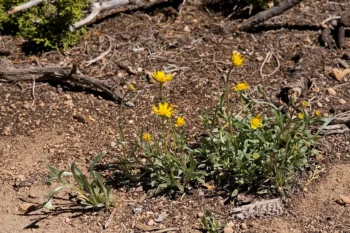
Perkysue: A Charming Native Wildflower for Southwestern Gardens
If you’re looking for a tough-as-nails native wildflower that can handle the heat and drought of the American Southwest, meet perkysue (Tetraneuris argentea). This delightful little perennial might have a quirky name, but it’s all business when it comes to delivering cheerful blooms with minimal fuss.
What Is Perkysue?
Perkysue is a native herbaceous perennial forb that belongs to the sunflower family. You might also see it listed under its former scientific names, Actinella argentea or Hymenoxys argentea, but Tetraneuris argentea is the current accepted name. This hardy wildflower naturally calls the southwestern United States home, where it has adapted perfectly to harsh desert conditions.
Where Does Perkysue Grow Naturally?
This native beauty is found primarily in Arizona and New Mexico, where it thrives in the wild across desert grasslands, rocky slopes, and open woodlands. As a true native to the lower 48 states, perkysue has spent centuries perfecting its survival skills in some of America’s most challenging growing conditions.
- Species observed
- No observations
Why Grow Perkysue in Your Garden?
There are several compelling reasons to consider adding perkysue to your native plant garden:
- Drought tolerance: Once established, this plant laughs in the face of water restrictions
- Low maintenance: Perfect for busy gardeners who want beauty without the babying
- Pollinator magnet: The bright yellow, daisy-like flowers attract native bees and butterflies
- Long blooming season: Enjoy flowers from late spring through fall
- Attractive foliage: Silvery-gray leaves provide year-round interest
- Native credentials: Support local ecosystems while reducing water usage
Garden Design and Landscape Role
Perkysue works beautifully as a drought-tolerant groundcover or accent plant in several garden styles:
- Xeriscape gardens: A natural fit for water-wise landscaping
- Rock gardens: Thrives tucked between boulders and gravel
- Native plant gardens: Pairs well with other southwestern natives
- Wildflower meadows: Adds cheerful yellow blooms to naturalized areas
Growing Conditions and Care
The beauty of perkysue lies in its simplicity. This plant practically grows itself once you understand its preferences:
Light Requirements
Full sun is essential for perkysue. This sun-worshipper needs at least 6-8 hours of direct sunlight daily to bloom its best.
Soil Needs
Well-draining soil is non-negotiable. Perkysue tolerates poor, rocky, or sandy soils but will sulk (and potentially rot) in heavy clay or consistently moist conditions.
Water Requirements
Here’s where perkysue really shines – it’s incredibly drought tolerant once established. Water regularly during the first growing season to help roots develop, then back off to occasional deep watering during extended dry spells.
Climate and Hardiness
Perkysue is hardy in USDA zones 4-8, making it surprisingly adaptable to different climates while maintaining its drought-tolerant nature.
Planting and Care Tips
- Best planting time: Spring, after the last frost date
- Spacing: Plant 12-18 inches apart to allow for natural spread
- Fertilizer: None needed – this plant actually prefers lean soil
- Deadheading: Remove spent flowers to encourage continued blooming
- Winter care: Cut back dead foliage in late fall or early spring
Important Conservation Note
Perkysue has a conservation status that requires some attention from gardeners. Always source plants or seeds from reputable native plant nurseries that practice responsible collection methods. Avoid collecting from wild populations, and consider this an opportunity to support conservation efforts by choosing nursery-propagated plants.
Wildlife and Pollinator Benefits
Beyond its ornamental value, perkysue serves as an important nectar source for native pollinators. Bees and butterflies flock to its bright yellow blooms, while the seeds may provide food for small birds and other wildlife.
The Bottom Line
Perkysue proves that native plants can be both beautiful and practical. If you’re gardening in the Southwest and want a low-maintenance perennial that supports local wildlife while adding cheerful color to your landscape, perkysue deserves a spot in your garden. Just remember to source it responsibly and give it the sunny, well-drained conditions it craves. Your garden – and the local pollinators – will thank you!