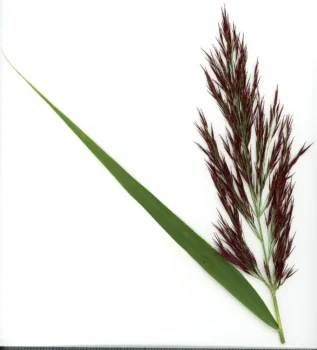
Pickering’s Reedgrass: A Rare Native Treasure for Your Garden
Meet Pickering’s reedgrass (Calamagrostis pickeringii), a delicate and uncommon native grass that deserves a spot in every conservation-minded gardener’s heart. This perennial graminoid might not be the showiest plant in your garden, but it carries significant ecological importance and offers subtle beauty that’s often overlooked in our plant-obsessed world.
Where Does Pickering’s Reedgrass Call Home?
This charming grass is a true North American native, naturally occurring across the northeastern regions of the continent. You’ll find it growing wild in parts of southeastern Canada, including New Brunswick, Nova Scotia, Ontario, Labrador, and Newfoundland, as well as in several northeastern U.S. states like Maine, Massachusetts, New Hampshire, New Jersey, New York, and Vermont.
- Species observed
- No observations
A Grass Worth Protecting
Here’s where things get serious: Pickering’s reedgrass isn’t just any ordinary native plant. In New Jersey, it holds an endangered status and is listed as S1, meaning it’s critically imperiled in the state. This rarity makes it both a conservation priority and a special addition to native plant gardens for those lucky enough to source it responsibly.
What Makes This Grass Special?
Don’t expect flashy flowers or bold foliage from Pickering’s reedgrass. Instead, this subtle beauty offers:
- Fine-textured, narrow leaves that create gentle movement in the breeze
- Delicate seed heads that add winter interest
- A naturally clumping growth habit that won’t take over your garden
- Year-round structure as a perennial grass
The Perfect Spots for Pickering’s Reedgrass
This grass has some specific preferences that make it ideal for certain garden situations. As a facultative wetland plant across its range, Pickering’s reedgrass thrives in:
- Rain gardens and bioswales
- Edges of ponds or water features
- Native plant gardens with consistent moisture
- Naturalistic landscapes mimicking wetland edges
- Areas with partial shade to full sun exposure
Growing Conditions and Care
Successfully growing Pickering’s reedgrass means understanding its wetland origins. This hardy perennial (suitable for USDA zones 3-7) prefers:
- Moisture: Consistently moist to wet soils – think of it as nature’s way of saying I like my feet wet
- Soil type: Acidic conditions are preferred, though it can adapt to various soil types
- Light: Partial shade to full sun, making it quite versatile
- Maintenance: Low maintenance once established – just the way we like our native plants!
Planting and Care Tips
If you’re fortunate enough to find responsibly sourced Pickering’s reedgrass, here’s how to give it the best start:
- Plant in spring when soil temperatures are warming
- Ensure consistent moisture, especially during establishment
- Avoid heavy fertilization – native plants prefer lean conditions
- Division can be done in spring if clumps become large
- Cut back in late winter or early spring before new growth emerges
Wildlife and Ecological Benefits
While Pickering’s reedgrass is wind-pollinated and doesn’t attract pollinators directly, it plays important ecological roles:
- Provides habitat structure for small wildlife
- Offers nesting material for birds
- Helps prevent erosion in wet areas
- Supports the broader wetland ecosystem
Should You Plant Pickering’s Reedgrass?
The short answer: yes, but with important caveats. Given its endangered status in parts of its range, this grass represents an opportunity to participate in conservation while creating beautiful, ecologically valuable landscapes. However, it’s crucial to source plants or seeds from reputable native plant nurseries that practice ethical collection and propagation.
Never collect from wild populations, and always verify that your source follows responsible propagation practices. By choosing Pickering’s reedgrass, you’re not just adding a unique native to your garden – you’re helping preserve a piece of North America’s natural heritage.
This subtle grass might not stop traffic, but it will certainly catch the attention of fellow native plant enthusiasts and contribute to the important work of preserving our regional flora. Sometimes the most meaningful garden choices are the quiet ones.