Piedmont Azalea: A Rare Southeastern Gem Worth Growing Responsibly
If you’re looking to add a splash of fiery color to your native garden while supporting local ecosystems, the piedmont azalea might just be your perfect match. This stunning native shrub brings both beauty and ecological value to southeastern landscapes, though its rarity means we need to be thoughtful about how we grow it.
What Makes Piedmont Azalea Special?
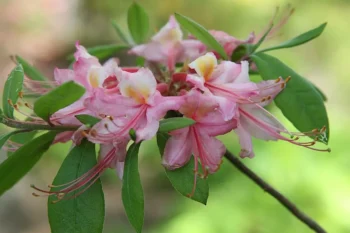
Rhododendron flammeum, commonly known as piedmont azalea, is a deciduous flowering shrub that’s truly a sight to behold. In spring, this native beauty erupts in clusters of vibrant orange to red-orange flowers that seem to glow like flames among the woodland understory. It’s a multi-stemmed shrub that typically stays under 13-16 feet tall, making it perfect for medium-sized garden spaces.
You might also see this plant listed under its older scientific names, Azalea speciosa or Rhododendron speciosum, but don’t let the name changes fool you – it’s the same gorgeous plant!
Where Does It Call Home?
This southeastern native has a fairly limited natural range, growing wild primarily in Georgia and South Carolina. Its restricted distribution is part of what makes it so special – and so vulnerable.
- Species observed
- No observations
A Conservation Concern
Here’s something important to know: piedmont azalea has a Global Conservation Status of S3, meaning it’s considered vulnerable throughout its range. With typically only 21 to 100 occurrences and between 3,000 and 10,000 individuals in the wild, this beautiful shrub faces real conservation challenges.
What this means for gardeners: If you want to grow piedmont azalea, please only purchase plants from reputable nurseries that propagate their own stock rather than wild-collecting. Never dig plants from the wild – it’s both illegal and harmful to already vulnerable populations.
Why Grow Piedmont Azalea?
Despite its rarity (or perhaps because of it), there are compelling reasons to include this native in your garden:
- Stunning spring display: Those fiery orange-red blooms are absolutely show-stopping
- Native plant benefits: Supports local ecosystems and wildlife
- Pollinator magnet: Attracts butterflies, bees, and hummingbirds
- Manageable size: Perfect for smaller gardens and woodland settings
- Conservation impact: Growing responsibly sourced plants helps preserve the species
Perfect Garden Companions
Piedmont azalea shines in woodland gardens and naturalized areas. It’s ideal for:
- Native plant gardens
- Woodland understory plantings
- Specimen plantings where its spring blooms can steal the show
- Wildlife gardens focused on supporting native pollinators
Growing Conditions and Care
Like most azaleas, piedmont azalea has some specific preferences, but it’s not overly fussy once established:
Hardiness: Thrives in USDA zones 6-9, perfect for most southeastern gardens
Light requirements: Partial shade is ideal – think dappled sunlight under taller trees
Soil needs: Acidic, well-draining soil with consistent moisture. Avoid waterlogged conditions, but don’t let it completely dry out either
Planting tips:
- Plant in spring or fall when temperatures are moderate
- Dig a hole as deep as the root ball and twice as wide
- Add organic matter like compost to improve soil structure
- Mulch around the base to retain moisture and suppress weeds
- Water regularly the first year to help establish strong roots
Ongoing Care
Once established, piedmont azalea is relatively low-maintenance:
- Prune lightly right after flowering to maintain shape
- Avoid disturbing the shallow root system
- Keep consistently moist but not soggy
- Refresh mulch annually
- Fertilize sparingly with an acid-loving plant fertilizer if needed
A Responsible Choice
Growing piedmont azalea is a wonderful way to support native plant conservation while adding spectacular beauty to your garden. Just remember to source your plants responsibly from nurseries that grow their own stock. By choosing to grow this vulnerable native, you’re not just creating a stunning garden – you’re helping preserve a piece of southeastern natural heritage for future generations.
Ready to add some fiery spring color to your landscape? Seek out a reputable native plant nursery and give this remarkable azalea the garden home it deserves!