Piedmont Barren Strawberry: A Rare Native Gem Worth Protecting
If you’re a native plant enthusiast with a passion for rare species, you might have heard whispers about the elusive piedmont barren strawberry (Waldsteinia lobata). This little-known native perennial is one of those botanical treasures that makes dedicated gardeners’ hearts skip a beat – but there’s an important catch you need to know about before adding it to your wish list.
What Makes This Plant Special?
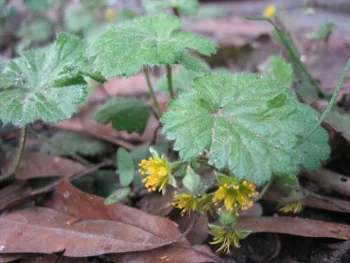
The piedmont barren strawberry is a charming herbaceous perennial that belongs to the rose family. Despite its name, it’s not actually related to true strawberries, though its lobed leaves do bear a resemblance to strawberry foliage. This low-growing forb produces delicate yellow flowers in spring, creating a subtle but beautiful carpet in its woodland habitat.
Where Does It Call Home?
This southeastern native has a surprisingly limited range, naturally occurring in just four states: Alabama, Georgia, North Carolina, and South Carolina. It’s a true regional specialty that has adapted to the specific conditions of the southeastern Piedmont region.
- Species observed
- No observations
The Rarity Reality Check
Here’s where things get serious. The piedmont barren strawberry isn’t just uncommon – it’s genuinely rare. With a global conservation status of S2S3 and an S1 rating in Alabama (meaning it’s critically imperiled in that state), this isn’t a plant you’ll find at your local nursery. Its rarity makes it a species of conservation concern, and that’s something every gardener should respect.
Should You Grow It?
The short answer is: only if you can source it responsibly. If you’re passionate about growing this rare native, here are the essential guidelines:
- Only obtain plants from reputable native plant nurseries that propagate from ethically collected seed
- Never collect from wild populations
- Consider it a conservation effort rather than just another garden addition
- Share seeds or divisions responsibly with other conservation-minded gardeners
Growing Conditions and Care
If you’re lucky enough to acquire piedmont barren strawberry from a responsible source, here’s what it needs to thrive:
Hardiness: Zones 6-8 (matching its native southeastern range)
Light Requirements: Partial shade to dappled sunlight, mimicking woodland understory conditions
Soil Needs: Well-draining soil with good organic content, similar to forest floor conditions
Water Requirements: Moderate moisture; avoid both drought stress and waterlogged conditions
Garden Design Ideas
This rare beauty works best in:
- Native plant collections and botanical gardens
- Woodland gardens with other southeastern natives
- Conservation gardens focused on rare species
- Educational landscapes that tell the story of regional biodiversity
Wildlife and Pollinator Benefits
While small, the yellow spring flowers of piedmont barren strawberry provide nectar for tiny pollinators and early-season insects. Every rare native plant plays a role in supporting regional biodiversity, making this species valuable beyond its aesthetic appeal.
The Bottom Line
Piedmont barren strawberry represents everything we love about native plants – beauty, regional character, and ecological value – wrapped up in a conservation story. While it’s not a plant for every garden, it’s absolutely worth protecting and thoughtfully cultivating by those who can do so responsibly. If you can’t find ethically sourced plants, consider supporting conservation efforts in its native range instead. Sometimes the best way to love a plant is to let it thrive where it belongs while we work to protect its natural habitat.
Remember: rare doesn’t mean impossible, but it does mean responsible. Happy (and ethical) gardening!