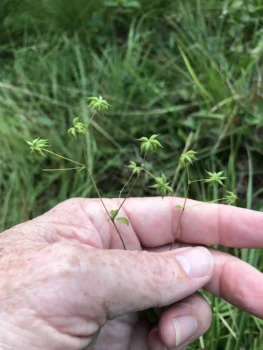
Piedmont Meadow-rue: A Delicate Native Gem for Your Garden
If you’re looking for a native plant that brings ethereal beauty to shady spots, piedmont meadow-rue (Thalictrum macrostylum) might just be your new gardening crush. This delicate perennial forb has been quietly gracing southeastern woodlands for ages, and it’s about time more gardeners discovered its subtle charms.
What Makes Piedmont Meadow-rue Special?
Don’t let the name fool you – this isn’t your typical meadow plant. Piedmont meadow-rue is a woodland native that prefers life in the shadows, where its fine-textured foliage and airy flower clusters create a soft, almost magical presence. The plant produces small white to pale yellow flowers arranged in loose, delicate clusters that seem to float above the finely divided leaves.
As a perennial forb, this plant lacks woody stems but returns year after year, slowly spreading to form naturalized colonies in the right conditions. It’s the kind of plant that whispers rather than shouts – perfect for gardeners who appreciate understated elegance.
Where Does It Call Home?
Piedmont meadow-rue is a true southeastern native, naturally occurring across Alabama, Florida, Georgia, Maryland, Mississippi, North Carolina, South Carolina, and Virginia. It’s particularly at home in the Piedmont and Coastal Plain regions, where it has adapted to the unique growing conditions of these areas.
- Species observed
- No observations
A Note About Conservation
Here’s something important to know: piedmont meadow-rue appears to have some conservation concerns, with varying rarity rankings across its range. If you’re interested in growing this beauty, please source your plants responsibly from reputable native plant nurseries that propagate their stock rather than wild-collecting. This helps protect wild populations while still allowing you to enjoy this special plant in your garden.
Perfect Growing Conditions
Think of piedmont meadow-rue as the plant equivalent of someone who loves cozy, damp places. Here’s what makes it happiest:
- Light: Partial shade to full shade – direct sun is not this plant’s friend
- Soil: Moist to wet conditions; it’s actually listed as a facultative wetland plant
- Climate: Thrives in USDA hardiness zones 6-9
- Moisture: Consistent moisture is key – it can even handle periodic flooding
Where to Use It in Your Landscape
Piedmont meadow-rue shines in several garden situations:
- Woodland gardens: Perfect understory plant beneath trees and shrubs
- Rain gardens: Its tolerance for wet conditions makes it ideal for managing runoff
- Native plant gardens: A must-have for authentic southeastern ecosystems
- Naturalized areas: Let it spread and do its thing in informal settings
Wildlife and Pollinator Benefits
While piedmont meadow-rue might look delicate, it pulls its weight in the ecosystem. The flowers attract various small pollinators, including flies and beetles, which are often overlooked but incredibly important for garden health. It’s part of the complex web of native relationships that make southeastern ecosystems tick.
Planting and Care Tips
The good news? Once established, piedmont meadow-rue is pretty low-maintenance. Here’s how to keep it happy:
- Planting: Choose a shady spot with rich, moisture-retentive soil
- Watering: Keep soil consistently moist, especially during dry spells
- Maintenance: Minimal pruning needed – let it go dormant naturally in winter
- Patience: Like many natives, it may take a season or two to fully establish
Should You Grow Piedmont Meadow-rue?
If you have the right conditions – shade, moisture, and space for a gentle spreader – piedmont meadow-rue can be a wonderful addition to your native plant palette. It’s perfect for gardeners who appreciate subtle beauty and want to support local ecosystems. Just remember to source it responsibly and give it the damp, shady conditions it craves.
This isn’t a plant for every garden, but in the right spot, piedmont meadow-rue brings a touch of wild southeastern woodland magic that’s hard to replicate with non-native alternatives. Sometimes the most rewarding garden plants are the ones that ask us to slow down and appreciate their quiet beauty.