Piedmont Ragwort: A Rare Gem for Native Plant Enthusiasts
If you’re passionate about growing truly unique native plants, piedmont ragwort (Packera millefolium) might just capture your heart. This charming perennial wildflower is a hidden treasure of the southeastern United States, though its rarity makes it a special responsibility for any gardener lucky enough to grow it.
What Makes Piedmont Ragwort Special?
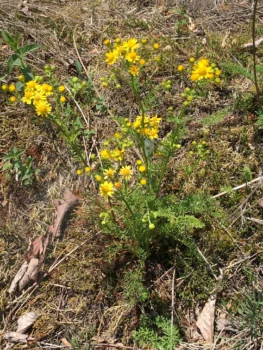
Piedmont ragwort is a delightful herbaceous perennial that belongs to the sunflower family. In spring, it produces clusters of bright yellow, daisy-like flowers that seem to glow against its distinctive deeply divided foliage. The leaves are particularly eye-catching – they’re finely cut and almost fern-like in appearance, giving the plant an elegant, delicate texture that adds interest even when it’s not in bloom.
This native forb typically grows as a low-growing perennial that emerges fresh each spring, offering early-season color when many other plants are just waking up from winter.
Where Does It Call Home?
Piedmont ragwort has a fairly limited native range, naturally occurring in just four southeastern states: Georgia, North Carolina, South Carolina, and Virginia. This regional specialization is part of what makes it so unique – and unfortunately, so rare.
- Species observed
- No observations
A Word of Caution: This Plant is Rare
Before you rush to add piedmont ragwort to your shopping list, there’s something important you need to know: this species has a Global Conservation Status of S2, meaning it’s considered imperiled. With typically only 6 to 20 known occurrences and few remaining individuals in the wild, this plant is genuinely at risk.
If you’re determined to grow piedmont ragwort, please only purchase from reputable native plant nurseries that propagate their own stock rather than wild-collecting. Better yet, consider growing some of its more common relatives in the Packera genus that can provide similar aesthetic benefits without the conservation concerns.
Growing Conditions and Care
Should you find responsibly sourced piedmont ragwort, here’s what it needs to thrive:
- Light: Partial shade works best – think dappled sunlight under trees
- Soil: Well-draining soil is essential; it won’t tolerate soggy conditions
- Climate: Hardy in USDA zones 6-8, perfect for its southeastern native range
- Water: Moderate moisture during the growing season, but avoid overwatering
The good news is that once established, piedmont ragwort is relatively low-maintenance. It’s adapted to woodland conditions and doesn’t require constant fussing or fertilizing.
Garden Design and Landscape Use
Piedmont ragwort shines in:
- Woodland gardens where its delicate texture complements ferns and other shade perennials
- Native plant collections for serious enthusiasts
- Naturalized areas that mimic southeastern forest understories
- Spring ephemeral gardens that celebrate early-season bloomers
Its fine-textured foliage creates lovely contrast against broader-leaved companions, and the spring flowers provide welcome early nectar for native bees and other beneficial insects.
Benefits for Wildlife
Like many members of the sunflower family, piedmont ragwort supports native pollinators, particularly small native bees and beneficial insects that emerge early in the growing season. Its spring blooming time makes it especially valuable when few other nectar sources are available.
The Bottom Line
Piedmont ragwort is undeniably beautiful and ecologically valuable, but its rarity means it’s not the right choice for every gardener. If you’re a dedicated native plant enthusiast with access to responsibly propagated plants, it can be a meaningful addition to a specialized collection. However, most gardeners would do better choosing more common native alternatives that provide similar benefits without conservation concerns.
Consider other Packera species or southeastern natives like wild ginger, mayapple, or bloodroot for that woodland charm with less environmental impact. Save the rare plants for the specialists who can truly appreciate their significance – and ensure their survival for future generations.