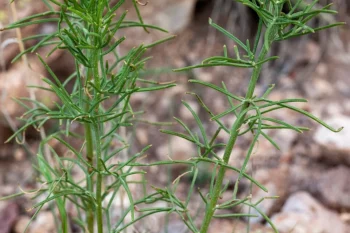
Pinaleno Mountain Rubberweed: A Hidden Gem for Native Plant Enthusiasts
If you’re on the hunt for a truly unique native wildflower that most gardeners have never heard of, let me introduce you to Pinaleno Mountain rubberweed (Hymenoxys ambigens). This charming little perennial might not win any popularity contests, but it’s got some serious appeal for those who appreciate rare native plants and want to support local ecosystems.
What Makes This Plant Special
Pinaleno Mountain rubberweed is a native forb—basically a non-woody perennial herb—that calls the mountainous regions of the American Southwest home. As a member of the sunflower family, it produces cheerful yellow daisy-like blooms that bring a splash of sunshine to any native garden during the summer months.
What really sets this plant apart is its rarity. With a conservation status that’s still being defined, this is one of those plants that deserves more attention from native plant enthusiasts who want to make a real difference in preserving regional biodiversity.
Where It Naturally Grows
This little beauty is found exclusively in Arizona and New Mexico, where it thrives in the unique conditions of the southwestern mountains. It’s perfectly adapted to the climate and soils of this region, making it an authentic choice for gardeners in these areas.
- Species observed
- No observations
Why You Might Want to Grow It
Here are some compelling reasons to consider adding Pinaleno Mountain rubberweed to your garden:
- It’s a true native that supports local ecosystems
- Low maintenance once established—perfect for busy gardeners
- Drought tolerant, making it ideal for water-wise landscaping
- Attracts native pollinators like bees and butterflies
- Adds authentic regional character to native plant gardens
- Helps preserve a rare species through cultivation
Perfect Garden Settings
This plant shines in:
- Native wildflower gardens
- Xeriscape and drought-tolerant landscapes
- Mountain or high desert themed gardens
- Naturalized areas where you want a wild look
Growing Conditions and Care
Pinaleno Mountain rubberweed is refreshingly easy to please once you understand its preferences:
Sunlight: Full sun is best—this plant loves basking in bright light just like it does in its native mountain habitats.
Soil: Well-draining soil is absolutely essential. It can’t tolerate soggy conditions, so avoid heavy clay or areas where water pools.
Water: Once established, it’s quite drought tolerant. Water regularly the first year to help it get established, then back off and let nature take over.
Climate: Hardy in USDA zones 5-8, which covers most areas where it naturally occurs.
A Word About Responsible Sourcing
Here’s something important to keep in mind: because this plant has an uncertain conservation status, it’s crucial to source it responsibly. Never dig plants from the wild! Instead, look for nurseries that specialize in native plants and can provide ethically propagated specimens. You might need to do some hunting to find it, but that just makes it more special when you do.
Planting and Care Tips
Getting started with Pinaleno Mountain rubberweed is straightforward:
- Plant in spring after the last frost
- Choose a sunny spot with excellent drainage
- Water regularly the first growing season to establish roots
- After establishment, water only during extended dry periods
- No fertilizer needed—it’s adapted to lean soils
- Deadhead spent flowers to encourage more blooms
The Bottom Line
Pinaleno Mountain rubberweed might not be the flashiest plant in the garden center, but it’s got something special that many common garden plants lack: authenticity and ecological value. For gardeners in Arizona and New Mexico who want to create landscapes that truly reflect their region’s natural heritage while supporting rare native species, this little wildflower is worth seeking out.
Just remember to source it responsibly, be patient with establishment, and enjoy watching the native pollinators discover this hidden gem in your garden!