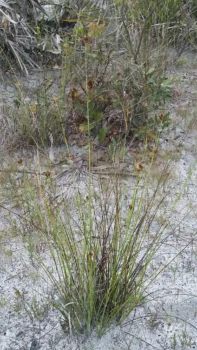
Pine Barren Beaksedge: A Hidden Gem for Wetland Gardens
If you’re looking to add authentic native character to your wetland garden or rain garden, pine barren beaksedge (Rhynchospora pineticola) might just be the unsung hero you’ve been searching for. This humble sedge may not win any beauty contests, but it’s a hardworking native that deserves a spot in the right garden setting.
What Is Pine Barren Beaksedge?
Pine barren beaksedge is a perennial sedge native to the southeastern United States. Like other members of the sedge family, it’s a grass-like plant that forms clumps and produces small, inconspicuous flowers. Don’t let its modest appearance fool you – this little plant plays an important ecological role in its native habitats.
Where Does It Come From?
This native beauty calls Alabama and Florida home, where it naturally grows in pine barrens and wet flatwoods. It’s perfectly adapted to the unique conditions of these southeastern ecosystems, making it an excellent choice for gardeners in these regions who want to create authentic native landscapes.
- Species observed
- No observations
A Word of Caution: This Plant Needs Our Protection
Before you rush out to plant pine barren beaksedge, there’s something important you should know. This species has a conservation status that suggests it may be uncommon or declining in parts of its range. If you’re interested in growing this native sedge, please make sure you source it from reputable nurseries that propagate plants responsibly rather than collecting from wild populations.
Why Grow Pine Barren Beaksedge?
While it won’t stop traffic with showy blooms, pine barren beaksedge offers several compelling reasons to include it in your garden:
- It’s a true native that supports local ecosystems
- Excellent for erosion control in wet areas
- Thrives in challenging wet conditions where other plants struggle
- Low maintenance once established
- Provides habitat structure for small wildlife
- Perfect for naturalistic and restoration-style plantings
Where to Plant It
Pine barren beaksedge is happiest in moist to wet conditions, making it ideal for:
- Rain gardens and bioswales
- Bog gardens and wetland areas
- Native plant gardens focused on southeastern species
- Restoration projects in pine barrens or flatwoods
- Areas that experience seasonal flooding
Thanks to its facultative wetland status, this adaptable sedge can handle both wetland and non-wetland conditions, though it clearly prefers the wetter side of life.
Growing Conditions
Pine barren beaksedge is most at home in USDA hardiness zones 8-10, which aligns perfectly with its native southeastern range. It prefers:
- Moist to wet, acidic soils
- Full sun to partial shade
- Areas that can handle seasonal water fluctuations
- Sandy or organic soils typical of pine barrens
Planting and Care Tips
One of the best things about native sedges like pine barren beaksedge is that they’re generally low-fuss once you get them established:
- Plant in spring or early fall when temperatures are moderate
- Ensure consistent moisture during the establishment period
- Mulch lightly to retain soil moisture
- Once established, it requires minimal care
- Can be propagated by seed or careful division
- No fertilization needed – it’s adapted to naturally nutrient-poor soils
The Bottom Line
Pine barren beaksedge isn’t for every garden or every gardener. It’s a specialized plant for specific conditions and purposes. But if you have a wet area that needs native ground cover, live within its natural range, and appreciate the quiet beauty of authentic regional flora, this little sedge could be exactly what you’re looking for. Just remember to source it responsibly and give it the moist, sunny conditions it craves.
Sometimes the most valuable plants in our gardens are the ones that work quietly behind the scenes, building healthy ecosystems one root at a time.