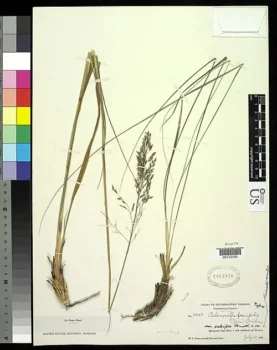
Pine Barren Sandreed: A Hidden Gem for Wetland Gardens
If you’re looking to add authentic coastal character to your wetland garden, pine barren sandreed (Calamovilfa brevipilis) might just be the native grass you’ve been searching for. This delicate perennial grass brings subtle beauty and important ecological value to landscapes across the southeastern United States.
What is Pine Barren Sandreed?
Pine barren sandreed is a native perennial grass that belongs to the graminoid family. Despite its somewhat mysterious nature—it’s not as well-known as other native grasses—this species plays a crucial role in coastal and wetland ecosystems. The plant forms attractive clumps with fine-textured foliage and produces delicate, airy seed heads that dance gracefully in the breeze.
Where Does Pine Barren Sandreed Grow Naturally?
This native beauty calls the southeastern coastal states home, naturally occurring in New Jersey, North Carolina, South Carolina, and Virginia. It’s perfectly adapted to the unique conditions found in pine barrens and coastal wetlands throughout this region.
- Species observed
- No observations
Important Conservation Note
Before we dive into growing this lovely grass, there’s something important you should know: pine barren sandreed has a rarity status of Listed Pinelands, S4 in New Jersey’s Pine Barrens. This means while it’s not critically endangered, it’s considered uncommon enough to warrant special attention. If you decide to grow this species, please source it only from reputable native plant nurseries that propagate their own stock rather than collecting from wild populations.
Why Choose Pine Barren Sandreed for Your Garden?
This native grass offers several compelling reasons to include it in your landscape:
- Authentic regional character: It’s truly native to the southeastern coastal region
- Wetland specialist: Thrives in consistently moist conditions where other grasses struggle
- Low maintenance: Once established, it requires minimal care
- Textural interest: Provides fine-textured contrast to broader-leaved wetland plants
- Wildlife habitat: Offers cover and nesting materials for small wildlife
Perfect Garden Settings
Pine barren sandreed shines in specific landscape situations:
- Rain gardens and bioswales
- Wetland restoration projects
- Coastal and bog gardens
- Naturalistic native plant landscapes
- Areas with consistently moist soil
Growing Conditions and Care
Success with pine barren sandreed comes down to understanding its wetland nature. This grass has an Obligate Wetland status across its range, meaning it almost always occurs in wetland conditions. Here’s what it needs to thrive:
- Moisture: Consistently moist to wet soil conditions
- Soil type: Prefers sandy, acidic soils typical of pine barrens
- Light: Full sun to partial shade
- Hardiness: Suitable for USDA zones 6-9
Planting and Maintenance Tips
Getting started with pine barren sandreed is straightforward once you have the right conditions:
- Plant in spring when soil temperatures warm up
- Ensure consistent moisture—never let the soil dry out completely
- Space plants appropriately as they form clumps and may spread slowly
- Minimal fertilization needed; these plants are adapted to nutrient-poor soils
- Little pruning required—you can leave seed heads for winter interest
Wildlife and Ecological Benefits
While pine barren sandreed may not be a major pollinator magnet (it’s wind-pollinated like most grasses), it provides valuable habitat benefits. The clumping growth habit offers shelter for small wildlife, and the seed heads provide food for birds. As part of a diverse native plant community, it contributes to the overall ecological health of wetland environments.
Is Pine Barren Sandreed Right for Your Garden?
This grass is perfect for gardeners who want to create authentic coastal or wetland landscapes using truly native plants. However, it’s not the right choice for dry locations or formal garden designs. If you have consistently moist conditions and want to support regional biodiversity, pine barren sandreed could be an excellent addition—just remember to source it responsibly given its special conservation status.
Consider pairing it with other wetland natives like blue flag iris, swamp milkweed, or cardinal flower for a stunning and ecologically valuable garden display that celebrates the unique beauty of southeastern coastal ecosystems.