Pine Hill Flannelbush: California’s Rarest Golden Treasure
Meet one of California’s most precious botanical gems – the Pine Hill flannelbush (Fremontodendron decumbens). This stunning native shrub might just be the rarest plant you’ve never heard of, and there’s a very good reason for that. With its brilliant golden flowers and unique story of survival, this remarkable species deserves our attention and protection.
What Makes Pine Hill Flannelbush So Special?
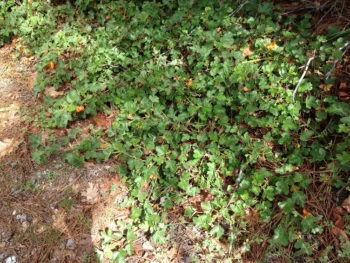
The Pine Hill flannelbush is a perennial shrub that typically grows as a multi-stemmed woody plant, usually staying under 13-16 feet in height. What sets it apart from its more common flannelbush cousins are its distinctive three-lobed leaves with a felt-like texture – green on top and whitish underneath – and its spectacular display of bright golden-yellow, cup-shaped flowers that seem to glow in the California sunshine.
This species is also known by its scientific name Fremontodendron decumbens, and you might occasionally see it listed under its synonym Fremontodendron californicum ssp. decumbens in older references.
A Critically Endangered California Endemic
Here’s where things get serious, fellow plant lovers. The Pine Hill flannelbush is found in just one place on Earth – the Pine Hill area of El Dorado County, California, nestled in the Sierra Nevada foothills. This incredibly limited range has earned it a Global Conservation Status of S1, meaning it’s critically imperiled with typically fewer than 1,000 individuals remaining in the wild.
In the United States, this species is officially listed as Endangered, making it one of our most precious native plants. The rarity stems from its extremely specific habitat requirements and the ongoing pressures from development and habitat loss in its native range.
- Species observed
- No observations
Should You Try Growing Pine Hill Flannelbush?
The short answer? Probably not. While we absolutely encourage growing native plants, the Pine Hill flannelbush presents some unique challenges:
- Extreme rarity: With so few plants left in the wild, any cultivation should only be done with responsibly sourced, legally obtained material
- Specialized growing conditions: This species requires very specific well-draining, rocky soils and precise water management
- Difficulty of cultivation: Even expert growers find this species challenging to maintain in garden settings
- Limited availability: You’re unlikely to find this plant at your local nursery (and shouldn’t expect to)
Growing Conditions and Care (For the Experts)
If you’re a conservation professional or extremely experienced native plant grower working with legally sourced material, here’s what Pine Hill flannelbush needs:
- Climate: USDA Hardiness Zones 8-10, matching its native California foothill environment
- Soil: Well-draining, rocky or sandy soils that mimic its native serpentine habitat
- Water: Drought tolerant once established, but requires careful water management during establishment
- Sunlight: Full sun exposure
- Special considerations: May require mycorrhizal associations and specific soil chemistry
Wildlife and Pollinator Benefits
In its natural habitat, the Pine Hill flannelbush serves as an important nectar source for native bees and other pollinators during its blooming season. The bright golden flowers are particularly attractive to various California native bee species, making this plant a crucial part of its local ecosystem’s web of life.
Better Alternatives for Your Garden
Instead of attempting to grow this rare species, consider these more readily available and garden-appropriate California native alternatives:
- California flannelbush (Fremontodendron californicum): The more common cousin with similar golden flowers
- Mexican flannelbush (Fremontodendron mexicanum): Another beautiful option with showy blooms
- Ceanothus species: California lilacs offer similar drought tolerance and native appeal
How You Can Help
The best way to support the Pine Hill flannelbush is through conservation efforts rather than cultivation. Consider:
- Supporting organizations working to protect its native habitat
- Learning about and sharing awareness of California’s rare plants
- Choosing other native Fremontodendron species for your garden
- Participating in citizen science projects that monitor rare plant populations
The Pine Hill flannelbush reminds us that not every beautiful native plant belongs in our gardens – sometimes the most meaningful way to appreciate nature’s treasures is to protect them where they naturally occur. By understanding and respecting the rarity of species like this one, we become better stewards of the incredible botanical diversity that makes California’s landscape so unique.