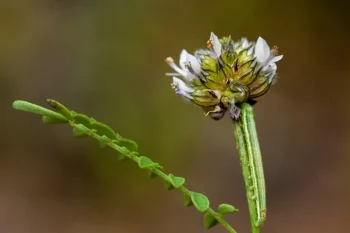
Pineforest Prairie Clover: A Rare Southwestern Native Worth Protecting
If you’re passionate about native plants and conservation gardening, you might want to learn about pineforest prairie clover (Dalea urceolata), a charming annual wildflower that calls the American Southwest home. This little-known member of the legume family represents both an opportunity and a responsibility for native plant enthusiasts.
What Makes Pineforest Prairie Clover Special?
Pineforest prairie clover is a native annual forb, meaning it’s a soft-stemmed herbaceous plant that completes its entire life cycle in one growing season. As a member of the Dalea genus, it belongs to the pea family (Fabaceae), which means it likely produces the characteristic small, clustered flowers that make prairie clovers so appealing to pollinators.
What truly sets this plant apart, however, is its native status and regional significance. This wildflower has evolved specifically within North American ecosystems and plays an important role in its natural habitat.
Where Does It Grow?
Pineforest prairie clover has a limited natural range, growing only in Arizona and New Mexico. This restricted distribution makes it a true southwestern specialty, adapted to the unique climate and growing conditions of this region.
- Species observed
- No observations
A Conservation Concern
Here’s where things get serious: pineforest prairie clover has a Global Conservation Status of S3S4, which indicates it may be vulnerable or imperiled. This means the plant faces some level of conservation concern, and its populations may be declining or limited.
What does this mean for gardeners? While we absolutely encourage growing native plants, it’s crucial that any pineforest prairie clover you plant comes from responsibly sourced seeds or plants. Never collect from wild populations, as this could further threaten already vulnerable plants.
Why Grow Pineforest Prairie Clover?
Despite the conservation concerns (or perhaps because of them), there are compelling reasons to consider this native plant:
- Native authenticity: As a true regional native, it supports local ecosystems
- Annual life cycle: Perfect for wildflower gardens and natural areas
- Legume benefits: Like other members of the pea family, it likely helps enrich soil with nitrogen
- Conservation value: Growing responsibly sourced plants helps preserve genetic diversity
Growing Considerations
Since pineforest prairie clover is native to Arizona and New Mexico, it’s best suited for gardeners in these states or similar southwestern climates. As an annual, it will complete its growth cycle in one season, so you’ll need to allow it to set seed for future years or replant annually.
Given its native range, this plant likely prefers the growing conditions typical of southwestern ecosystems, though specific requirements for cultivation aren’t well documented. This makes it more suitable for naturalistic gardens and restoration projects than formal landscaping.
The Responsible Choice
If you’re interested in growing pineforest prairie clover, please follow these guidelines:
- Source seeds or plants only from reputable native plant nurseries
- Verify that any plant material was propagated, not wild-collected
- Consider supporting conservation efforts for this species
- Allow plants to self-seed to maintain populations
- Share seeds responsibly with other conservation-minded gardeners
The Bottom Line
Pineforest prairie clover represents both the beauty and fragility of our native plant heritage. While it may not be the showiest plant in your garden, growing it responsibly connects you to the unique ecosystems of the Southwest while contributing to conservation efforts. Just remember: with great plants comes great responsibility. Always source ethically, and you’ll be doing your part to ensure future generations can enjoy this special southwestern native.