Pineland Milkweed: A Hidden Gem for Southern Native Gardens
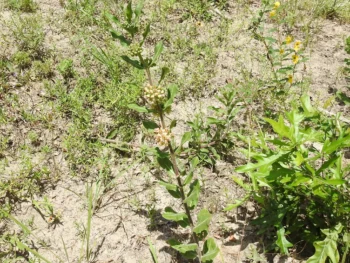
If you’re looking for a native plant that flies under the radar while still pulling its weight in the garden, let me introduce you to pineland milkweed (Asclepias obovata). This unassuming perennial might not win any flashy flower contests, but it’s got character, purpose, and a quiet charm that grows on you – literally and figuratively!
What Makes Pineland Milkweed Special?
Pineland milkweed is a true southern native, calling the southeastern United States home. You’ll find this scrappy perennial growing naturally across Alabama, Arkansas, Florida, Georgia, Louisiana, Mississippi, Oklahoma, South Carolina, and Texas. It’s perfectly adapted to the hot, humid summers and mild winters that define much of the South.
- Species observed
- No observations
Unlike its showier milkweed cousins, pineland milkweed keeps things subtle with small clusters of greenish-white flowers that appear from late spring through summer. Don’t let the modest blooms fool you – this plant is a pollinator powerhouse that supports monarch butterflies and countless other native insects.
Why You Should (Probably) Plant It
Here’s where things get interesting: pineland milkweed is considered rare in some areas, with a rarity status of S2 in Arkansas savannas. This means it’s uncommon and potentially vulnerable. So while I absolutely encourage you to grow this wonderful native, please – and I cannot stress this enough – source your plants or seeds responsibly from reputable native plant nurseries or seed suppliers.
Once you’ve secured ethically sourced material, here’s why pineland milkweed deserves a spot in your garden:
- Supports monarch butterflies during their incredible migration journey
- Thrives in challenging conditions where other plants struggle
- Requires virtually no maintenance once established
- Adds authentic local character to native plant gardens
- Helps preserve genetic diversity of this uncommon species
Where Does It Fit in Your Garden?
Pineland milkweed shines in native wildflower gardens, prairie restorations, and xerophytic landscapes. It’s particularly at home in settings that mimic its natural habitat – think pine flatwoods, savannas, and sandy grasslands. This makes it perfect for gardeners working with challenging sites that have poor, sandy soil and intense sun exposure.
The plant works beautifully as a groundcover or accent plant, especially when grouped with other native grasses and wildflowers. It’s not going to be your garden’s main attraction, but it’ll be the reliable supporting player that keeps the ecosystem humming.
Growing Conditions and Care
One of the best things about pineland milkweed is how easy-going it is once you understand its preferences:
Sunlight: Full sun to partial shade, though it performs best with plenty of sunshine
Soil: Sandy, well-draining soil is ideal – this plant actually prefers poor soils and can struggle in rich, amended garden beds
Water: Drought tolerant once established; avoid overwatering as it can lead to root rot
Climate: Hardy in USDA zones 8-10, making it perfect for southern gardens
Planting and Care Tips
Getting pineland milkweed established is straightforward if you follow a few key guidelines:
- Direct seed in fall for best germination rates
- Choose a spot with good drainage – waterlogged soil is this plant’s enemy
- Resist the urge to fertilize or pamper; it prefers lean conditions
- Allow seeds to ripen and disperse naturally to encourage natural spread
- Minimal maintenance required once established – just sit back and enjoy
The Bottom Line
Pineland milkweed might not be the most glamorous plant in the native garden world, but it’s exactly the kind of species we need more of in our landscapes. By growing this uncommon native, you’re supporting local ecosystems, providing critical habitat for pollinators, and helping preserve a piece of our natural heritage.
Just remember to source responsibly, plant thoughtfully, and appreciate the quiet beauty of this authentic southern native. Your local monarchs (and the planet) will thank you for it!