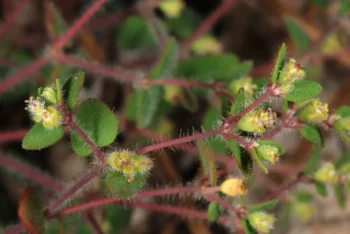
Pineland Spurge: A Rare Florida Native Worth Protecting
Meet the pineland spurge (Euphorbia pinetorum), a little-known Florida native that deserves a spot in the conservation conversation. This unassuming perennial herb might not be the showiest plant in your garden, but it carries significant ecological importance as one of Florida’s imperiled species.
What Makes Pineland Spurge Special?
Pineland spurge is a perennial forb, meaning it’s a non-woody plant that comes back year after year. Like other members of the euphorbia family, it produces a characteristic milky sap and bears small, inconspicuous flowers. You might also see this plant listed under its synonyms: Euphorbia deltoidea ssp. pinetorum or Poinsettia pinetorum.
What truly sets this plant apart isn’t its appearance—it’s its rarity and native heritage. This species is found exclusively in Florida, making it a true endemic treasure of the Sunshine State.
Where Does Pineland Spurge Call Home?
This specialized native has a very limited range, growing naturally only in Florida. Its habitat preferences have contributed to its scarcity, as it typically thrives in the unique pine rockland ecosystems that have become increasingly rare due to development and habitat loss.
- Species observed
- No observations
A Conservation Concern
Here’s where things get serious: pineland spurge has a Global Conservation Status of S2, meaning it’s considered Imperiled. This classification indicates extreme rarity, with typically only 6 to 20 known occurrences and somewhere between 1,000 to 3,000 remaining individuals in the wild. That’s a pretty exclusive club—and not one we want to see get any smaller.
Should You Grow Pineland Spurge?
If you’re a Florida gardener passionate about native plants and conservation, you might be tempted to add this rarity to your collection. However, proceed with extreme caution and responsibility:
- Only source plants from reputable native plant nurseries that propagate ethically
- Never collect from wild populations—this could further threaten the species
- Consider this plant only if you’re committed to providing appropriate growing conditions
- Connect with local native plant societies for guidance on responsible cultivation
Growing Conditions and Care
Given its natural habitat in Florida’s pine rocklands, pineland spurge likely prefers:
- Well-draining soils
- Full to partial sun exposure
- USDA hardiness zones 9-11
- Conditions that mimic its native pine rockland environment
Because of its rarity, detailed cultivation information is limited. If you’re serious about growing this species, consider reaching out to botanical gardens, native plant societies, or conservation organizations in Florida for expert guidance.
The Bigger Picture
While pineland spurge might not be the easiest or most practical choice for most gardeners, learning about it serves an important purpose. It reminds us that Florida’s native plant community includes many specialized species that need our protection and awareness.
If you’re interested in supporting Florida’s native plant diversity, consider growing more common Florida natives that can provide similar ecological benefits without the conservation concerns. Plants like firebush, coontie, or beautyberry can give you that native plant satisfaction while supporting local ecosystems.
Remember: sometimes the best way to appreciate a rare plant is to support its conservation in the wild rather than attempting to grow it in our gardens. But for dedicated native plant enthusiasts willing to do the research and source responsibly, pineland spurge represents a meaningful connection to Florida’s unique botanical heritage.