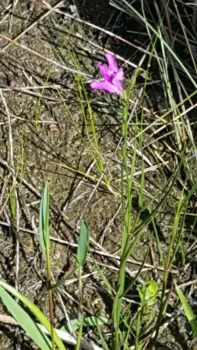
Pineland Water-Willow: A Hidden Gem for Southeast Native Gardens
If you’re looking to add a touch of understated elegance to your native garden, meet the pineland water-willow (Justicia angusta). This charming perennial herb might not be the showiest plant in the garden center, but it’s got character and plays an important role in southeastern ecosystems.
What is Pineland Water-Willow?
Despite its common name suggesting a connection to willows, pineland water-willow is actually a member of the acanthus family. This native forb (that’s garden-speak for a non-woody flowering plant) is a true southeastern native, calling Florida and Georgia home. You might also see it listed under its scientific synonyms like Dianthera angusta, but Justicia angusta is the name that stuck.
As a perennial herb, this plant comes back year after year, forming small colonies through underground rhizomes. It’s not a towering giant – think more along the lines of a well-behaved groundcover that knows its place in the garden hierarchy.
Where Does It Grow Naturally?
Pineland water-willow has a pretty specific zip code – you’ll find it naturally occurring in Florida and Georgia. This limited range makes it a special addition to gardens in these areas, as you’re literally planting a piece of your local natural heritage.
- Species observed
- No observations
Why Consider Pineland Water-Willow for Your Garden?
Here’s where things get interesting. This little plant has a Global Conservation Status of S3Q, which means its population status is somewhat uncertain and potentially vulnerable. This makes it an excellent choice for gardeners who want to support local biodiversity – but with an important caveat: make sure you’re getting your plants from reputable native plant sources, not wild-collected specimens.
The aesthetic appeal might be subtle, but it’s definitely there. Picture delicate spikes of small, tubular flowers in shades of white to pale purple rising above narrow, lance-shaped leaves. It’s the kind of plant that rewards the observant gardener – not flashy, but genuinely beautiful when you take a closer look.
Perfect Garden Settings
Pineland water-willow shines in:
- Native plant gardens where authenticity matters
- Woodland edges and naturalized areas
- Rain gardens and moisture-loving plant communities
- Understory plantings where you need something interesting but not overwhelming
Growing Conditions and Care
The good news? This native is pretty easygoing once you understand its preferences. Think of it as a plant that likes to keep its feet damp – it thrives in moist to wet soils and can handle periodic flooding like a champ.
Light-wise, it’s adaptable, doing well in partial shade to full sun conditions. This flexibility makes it perfect for those tricky spots in your garden where the light changes throughout the day.
For gardeners in USDA hardiness zones 8-10, pineland water-willow should overwinter just fine. Being a native to the Southeast, it’s already adapted to your local climate quirks.
Planting and Care Tips
Here’s the beautiful thing about native plants – they usually don’t need much fussing once established. Keep these tips in mind:
- Plant in consistently moist soil – think bog garden conditions rather than desert
- Mulch around plants to help retain moisture
- Allow it space to spread naturally via rhizomes
- Minimal fertilization needed – it’s adapted to local soil conditions
- Water during establishment, then let nature take over
Wildlife and Pollinator Benefits
While the tubular flowers might look small to us, they’re perfectly sized for butterflies, bees, and other pollinators. Native plants like pineland water-willow have co-evolved with local wildlife, creating relationships that support the entire ecosystem food web.
The Bottom Line
Should you plant pineland water-willow? If you’re gardening in Florida or Georgia and have a spot that stays consistently moist, absolutely – but source it responsibly. This is exactly the kind of plant that makes native gardening meaningful: it’s authentically local, supports wildlife, and adds quiet beauty to the landscape.
Just remember to buy from reputable native plant nurseries rather than digging from the wild. With its uncertain conservation status, every responsibly grown plant in cultivation helps ensure this southeastern native continues to grace gardens and wild spaces for generations to come.